
Enmeisui (Long-Life Water) in Nagano Prefecture Complete Guide: Famous Water Spots in Kozenji Temple, Azumino, and Minowa with Visitor Information
Nagano Prefecture is known as a region blessed with abundant nature and clear water. Among these, spring water known as “Enmeisui” (Long-Life Water) exists at multiple locations throughout the prefecture and has been cherished by local residents and tourists for many years. This article provides detailed information about the major Enmeisui spots in Nagano Prefecture, including their history, characteristics, access methods, and surrounding tourist information.
What is Enmeisui: The Origin of the Name and Its Meaning in Nagano Prefecture
The name “Enmeisui” is a general term for water given its name based on the wish and belief that drinking it extends one’s lifespan and promotes good health. Multiple locations within Nagano Prefecture use this name, each with its own unique history and characteristics.
The clear water that springs from the Shinshu mountains has long supported people’s lives, serving as sacred water at temples and shrines and as daily water for communities. The cold, clear spring water, which refreshed the throats of pilgrims and travelers and soothed their fatigue, came to be called “Enmeisui.”
Enmeisui at Kozenji Temple (Komakane City): Sacred Water Flowing with Hikarigorke
Characteristics of Kozenji Temple’s Enmeisui
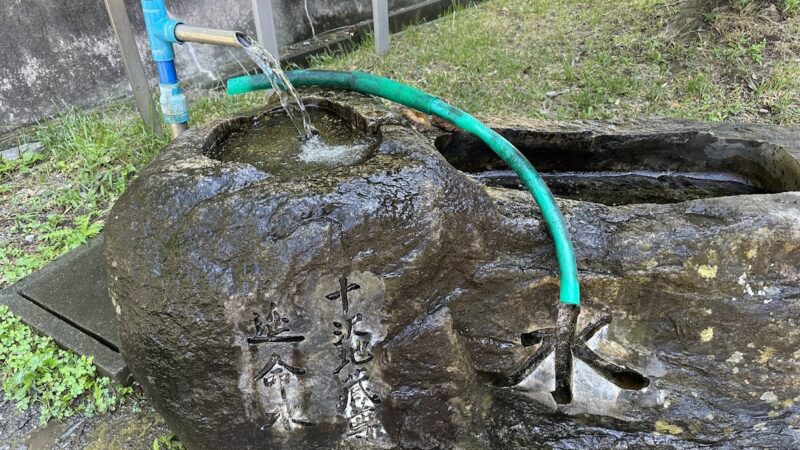
“Kozenji Temple,” located in the Komakane Highlands in Komakane City, is one of Shinshu’s most prominent ancient temples, known for its Hikarigorke (luminescent moss). Clear water drawn from a spring in the back mountain flows beside the main hall of this temple, and it is cherished by visitors as “Kozenji Temple’s Enmeisui.”
Since it is installed right beside the main hall, it is easy to find and visitors can easily stop by during their pilgrimage. It is said to have been called Enmeisui because people believed that drinking the cold water would extend their lives, and there is a history of pilgrims drinking from it.
Access to Kozenji Temple’s Enmeisui
Kozenji Temple is located approximately 5 minutes by car from the Komakane Interchange. It is accessible by bus or taxi from JR Iida Line Komakane Station. Since Kozenji Temple itself is a tourist attraction, parking facilities are well-maintained, making access relatively easy.
Tourist Spots Around Kozenji Temple
When visiting Kozenji Temple, it is recommended to also tour the following nearby tourist spots:
- Hikarigorke Natural Habitat: A nationally designated natural monument located within the Kozenji Temple grounds
- Komakane Highland: A highland resort nestled at the base of the Southern Alps
- Senjo-shiki Cirque: A scenic spot accessible by ropeway
- Yomeishu Komakane Factory: A facility where factory tours are available
Enmeisui at Horiki Karasu-kawa, Azumino City: Scenic Waterfall Like White Silk
Characteristics of Enmeisui at Horiki Karasu-kawa, Azumino City
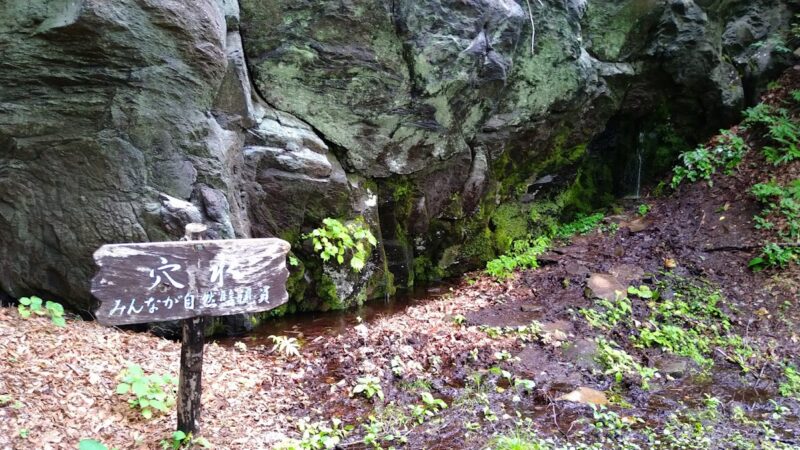
The Enmeisui in Horiki Karasu-kawa, Azumino City, is a hidden spring water spot reached by climbing a mountain trail. Past the hot spring facility “Hori-de-yu,” climbing a narrow mountain trail for more than 15 minutes reveals beautiful spring water surrounded by greenery on the right side.
Multiple threads of clear water flow like white silk from gaps in the rocks, creating an elegant waterscape with the moss green. This beautiful scenery is also featured as part of the “Azumino Water Story” and has become a place symbolizing the clear water of Azumino.
Access to Azumino’s Enmeisui and Precautions
Access requires caution. A narrow mountain trail must be climbed for more than 15 minutes, so it is advisable to avoid visiting if you lack confidence in driving or are operating a large vehicle. The road is narrow with sections where passing is difficult. When visiting, allow ample time and drive carefully.
Tourist Spots Around Azumino
The Azumino area has an abundance of attractive tourist spots:
- Daio Wasabi Farm: Japan’s largest-scale wasabi farm
- Hotaka Shrine: A representative shrine of Azumino
- Azumino Chihiro Museum of Art: An art museum dedicated to children’s book author Chihiro Iwasaki
- Rokuzanbi Museum of Art: Displaying works by sculptor Morie Ogihara
- Azumino Swiss Village: A facility where you can enjoy a European atmosphere
Enmeisui in Minowa Town: Water Beloved by the Local Community
Characteristics of Minowa Town’s Enmeisui
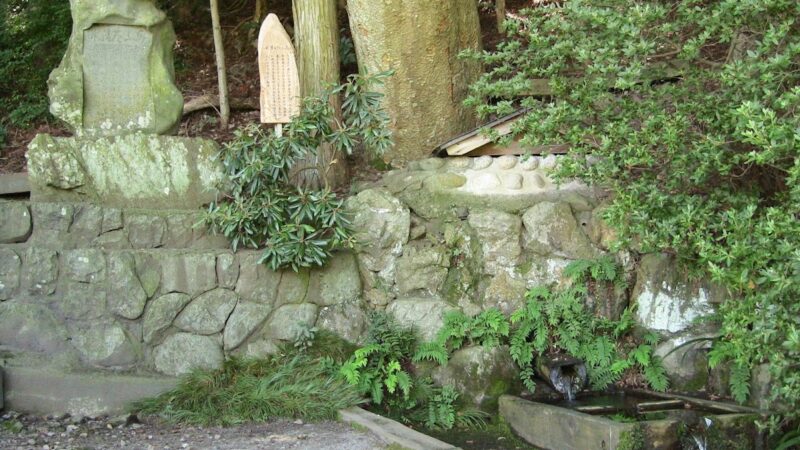
The Enmeisui in the eastern part of Minowa Town is a spring water spot not only used by local residents but also by people camping at Nagata Nature Park and Momiji Lake who come to draw water. It is cherished by many.
It is known as delicious water and is used daily, which is a characteristic different from other Enmeisui locations. Rather than a tourist destination, it functions as a water source rooted in daily community life.
Access to Minowa Town’s Enmeisui
Minowa Town is located in the central part of Ina Valley and can be accessed from the Ina Interchange of the Chuo Expressway. For detailed location information, it is helpful to refer to information from the Nagano Ina Valley Tourism Association.
Tourist Spots Around Minowa Town
- Nagata Nature Park: A park where camping and barbecuing can be enjoyed
- Momiji Lake: An artificial lake known as a famous autumn foliage spot
- Red Buckwheat Field: In autumn, the entire field becomes a carpet of pink flowers
Enmeisui at Kokugennji Temple (Nagano City): Sacred Water Flowing from a Well
Kokugennji Temple in Nagano City has Enmeisui flowing from a well. It is introduced as “Sacred Water and Hidden Water of Shinshu” and has been preserved along with the temple’s history.
Kokugennji Temple is also known as a temple with connections to Takeda Shingen and holds high historical value. The Enmeisui is preserved in well form, providing a different atmosphere from other Enmeisui locations.
Water Quality and Consumption of Enmeisui
Water Quality Characteristics
All Enmeisui in Nagano Prefecture are spring water from mountains, characterized by cold, clear water quality. They contain mineral content and are praised for their mellow taste.
Precautions When Consuming
When consuming Enmeisui, please note the following:
- Confirm water quality testing: Check whether regular water quality testing is conducted
- Boil before consumption: If concerned, it is recommended to bring it home and boil it before drinking
- Monitor your health: Drinking cold water in large quantities at once may cause health issues
- Keep containers clean: Use clean containers when drawing water
At most Enmeisui spots, consumption is “allowed,” though it is at your own risk. Extra caution is necessary, especially for those with weakened immunity and small children.
Best Season and Attire for Visiting Enmeisui
Recommended Seasons
The best season to visit Enmeisui is spring through autumn (April–November). The following periods are particularly recommended:
- Spring (April–May): Beautiful fresh greenery and abundant water flow
- Summer (June–August): Cold spring water is refreshing and perfect for escaping the heat
- Autumn (September–November): Can be enjoyed together with autumn foliage
In winter, access becomes difficult at some locations due to snow and freezing. Particularly for spots like the Azumino Enmeisui that require climbing a mountain trail, it is advisable to avoid visiting in winter.
Attire and Belongings
Attire and belongings when visiting Enmeisui:
Attire
- Comfortable walking shoes (hiking boots or trekking shoes are ideal)
- Easy-to-move clothing
- Bring a layer even in summer (mountain areas have lower temperatures)
Belongings
- Clean container (if drawing water)
- Towel
- Insect repellent spray (in summer)
- Camera (to record the beautiful scenery)
Recommended Gourmet Spots Around Enmeisui
Komakane Area
Komakane City is known as the birthplace of “sauce katsudon.” When visiting Kozenji Temple’s Enmeisui, be sure to try the local sauce katsudon.
- Meiji-tei: A renowned shop for Komakane’s signature sauce katsudon
- Komagane: A long-established local favorite
- Soba-dokoro: Many famous Shinshu soba restaurants
Azumino Area
Azumino is famous as a wasabi-producing region. When visiting the Enmeisui, you can enjoy dishes featuring fresh wasabi.
- Daio Wasabi Farm Restaurant: Wasabi rice bowl and wasabi soft-serve ice cream
- Azumino Soba Restaurants: Authentic hand-made soba
- Oyaki Specialty Shops: Local specialty oyaki pastries
Minowa Town and Ina Area
Ina Valley is known for “ramen,” a unique noodle dish.
- Banri: The restaurant where ramen originated
- Shinshu Soba: Excellent soba from Ina Valley
- Gohei-mochi: A local specialty dish
Event Information Around Enmeisui
Spring Events
- Kozenji Temple Weeping Cherry Blossom Festival (April): When the cherry blossoms at Kozenji Temple are at their peak
- Azumino Wasabi Festival (May): Held at Azumino’s wasabi farms
Summer Events
- Komakane Highland Music Festival (July–August): Outdoor classical music concerts
- Azumino Fireworks Festival (August): Fireworks illuminating the Azumino summer
Autumn Events
- Red Buckwheat Field Opening (September): When the red buckwheat field in Minowa Town is at its peak
- Momiji Lake Autumn Foliage Festival (October–November): A famous autumn foliage spot in Minowa Town
Winter Events
- Kozenji Temple Hayataro Onsen Ice Lantern Dream Festival (February): A fantastical ice festival
Accommodation Facilities Around Enmeisui
Accommodations in the Komakane Area
- Komakane Highland Resort Links: A resort hotel
- Hayataro Onsen Village: Multiple hot spring inns scattered throughout
- Komakusa-no-yu: A day-use hot spring facility (with lodging facilities)
Accommodations in the Azumino Area
- Hotaka Onsen Village: A hot spring area representing Azumino
- Azumino Chougatake Onsen Hori-de-yu ~Shiki-no-Sato: A day-use hot spring and lodging facility
- Pensions and Minshuku: Azumino offers numerous lodging options with abundant choices
Accommodations in Minowa Town and Ina Area
- Minowa Onsen: A hot spring facility in Minowa Town
- Business Hotels in Ina City: Convenient as a base for sightseeing
- Takatoyama Onsen: A hot spring near Takato Castle Ruins, a famous cherry blossom spot
Manners and Precautions When Visiting Enmeisui
Basic Etiquette
- Always take trash with you: Dispose of garbage properly to protect the natural environment
- Do not contaminate the water source: Avoid washing containers or dishes at the water source
- Spirit of consideration: Show consideration for other users during crowded times
- Be aware of private property: Some areas around Enmeisui may be private property; do not enter restricted areas
Safety Precautions
- Be careful of slippery surfaces: Areas around water sources become slippery due to moss and similar growth
- Mountain road driving: On narrow mountain roads, be careful of oncoming vehicles and avoid reckless driving
- Weather changes: Mountain areas are prone to rapid weather changes; check the forecast in advance
- Wildlife: There is a possibility of encountering wild animals such as bears. Carrying a bell or whistle is recommended for safety
Summary of Basic Information on Enmeisui
Kozenji Temple’s Enmeisui
- Location: 29 Akao, Komakane City, Nagano Prefecture
- Access: Approximately 5 minutes by car from Komakane IC on the Chuo Expressway
- Parking: Available (using Kozenji Temple parking)
- Fee: Free (admission to Kozenji Temple may apply)
- Characteristics: Located beside the main hall, easy to access
Enmeisui at Horiki Karasu-kawa, Azumino City
- Location: Horiki Karasu-kawa, Azumino City, Nagano Prefecture
- Access: More than 15 minutes on a mountain trail from Hori-de-yu
- Parking: Limited space only
- Fee: Free
- Characteristics: Beautiful spring water like white silk; caution required for access
Minowa Town’s Enmeisui
- Location: Eastern part of Minowa Town, Kami-Ina District, Nagano Prefecture
- Access: Approximately 15 minutes by car from Ina IC on the Chuo Expressway
- Parking: Confirmation needed
- Fee: Free
- Characteristics: Spring water used by local residents, rooted in community life
Frequently Asked Questions (FAQ)
Q1: Is it really safe to drink Enmeisui?
A1: Many Enmeisui spots are said to be safe for consumption, but the frequency and results of water quality testing vary by location. If concerned, it is recommended to bring it home and boil it before consumption. Special caution is necessary, especially for those with weakened immunity and small children.
Q2: Can I draw Enmeisui and take it home?
A2: Yes, water can be drawn and taken home at most locations. However, use clean containers and store properly. Also, drawing large quantities may inconvenience other users, so use responsibly.
Q3: Can I visit Enmeisui in winter?
A3: It depends on the location. Kozenji Temple’s Enmeisui is accessible in winter, but locations requiring mountain trail climbing, such as the Azumino Enmeisui, become difficult to access in winter due to snow and freezing. It is recommended to check the latest road conditions before visiting.
Q4: Are there parking facilities near Enmeisui?
A4: Kozenji Temple’s Enmeisui can use the temple’s parking lot. The Azumino Enmeisui has limited space, and Minowa Town’s Enmeisui varies by location. Confirm in advance or consider using public transportation.
Q5: How much time is needed to visit Enmeisui?
A5: Kozenji Temple’s Enmeisui is right beside the main hall, so approximately 30 minutes to 1 hour is needed including temple visitation. For the Azumino Enmeisui, allow over 1 hour round-trip including mountain road driving time. For Minowa Town’s Enmeisui, time varies by location, but drawing water takes approximately 10–15 minutes.
Q6: Can I bring pets?
A6: Some temples and shrines, such as Kozenji, may have restrictions on pet accompaniment. At natural spring water spots, pets are generally permitted, but leash them and show consideration for other users. When allowing pets to drink water, be careful not to contaminate the water source.
Q7: Is the effectiveness of Enmeisui real?
A7: The name “Enmeisui” comes from the wish and belief that drinking clear water is good for health. There is no scientifically proven special efficacy, but clear spring water is delicious and can be expected to have a refreshing effect on body and mind.
Q8: How many Enmeisui locations are there in Nagano Prefecture?
A8: Just the major locations featured in this article number four (Kozenji, Azumino, Minowa Town, and Kokugennji), but other spring water locations called “Enmeisui” may exist in the region. It is recommended to gather information from local tourism associations and visitor information centers.
Conclusion: Refresh Body and Mind at Shinshu’s Enmeisui
The Enmeisui scattered throughout Nagano Prefecture each possess their own unique history and characteristics, providing visitors with clear water and healing. From the historically significant Enmeisui at Kozenji Temple to the beautifully scenic Enmeisui at Azumino and the community-rooted Enmeisui in Minowa Town, each offers distinct attractions.
By visiting the delicious spring water nurtured by Shinshu’s abundant nature and enjoying it alongside nearby tourist spots and gourmet dining, you can have a fulfilling travel experience. However, when visiting, please respect the natural environment, follow proper etiquette, and exercise adequate safety precautions.
Visiting Enmeisui offers the luxury of stepping away from daily hustle and bustle and experiencing contact with Shinshu’s clear water and nature. Please use this article as a reference to plan your own Enmeisui tour through Nagano Prefecture.