Iwashimizu (Akita Prefecture Yokote City Kanazawa Nakano Nagamochiyama) Complete Guide: The Charm of Spring Water and Access Information
Iwashimizu, located in Kanazawa Nakano Nagamochiyama, Yokote City, Akita Prefecture, is known as a precious natural resource and spring water spot in the region. This article provides a comprehensive explanation of detailed information about this iwashimizu, access methods, nearby points of interest, and the historical and cultural background of the region.
What is Iwashimizu (岩清水)?
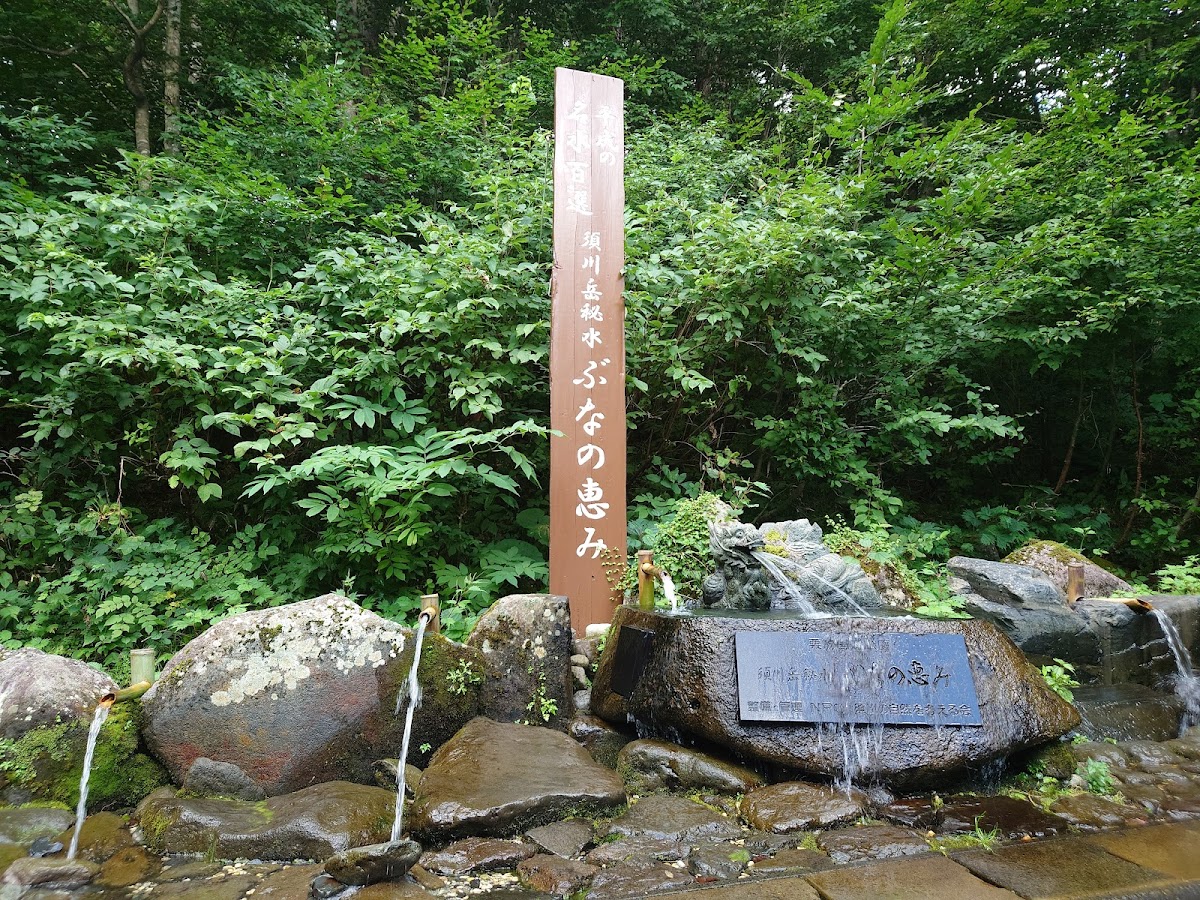
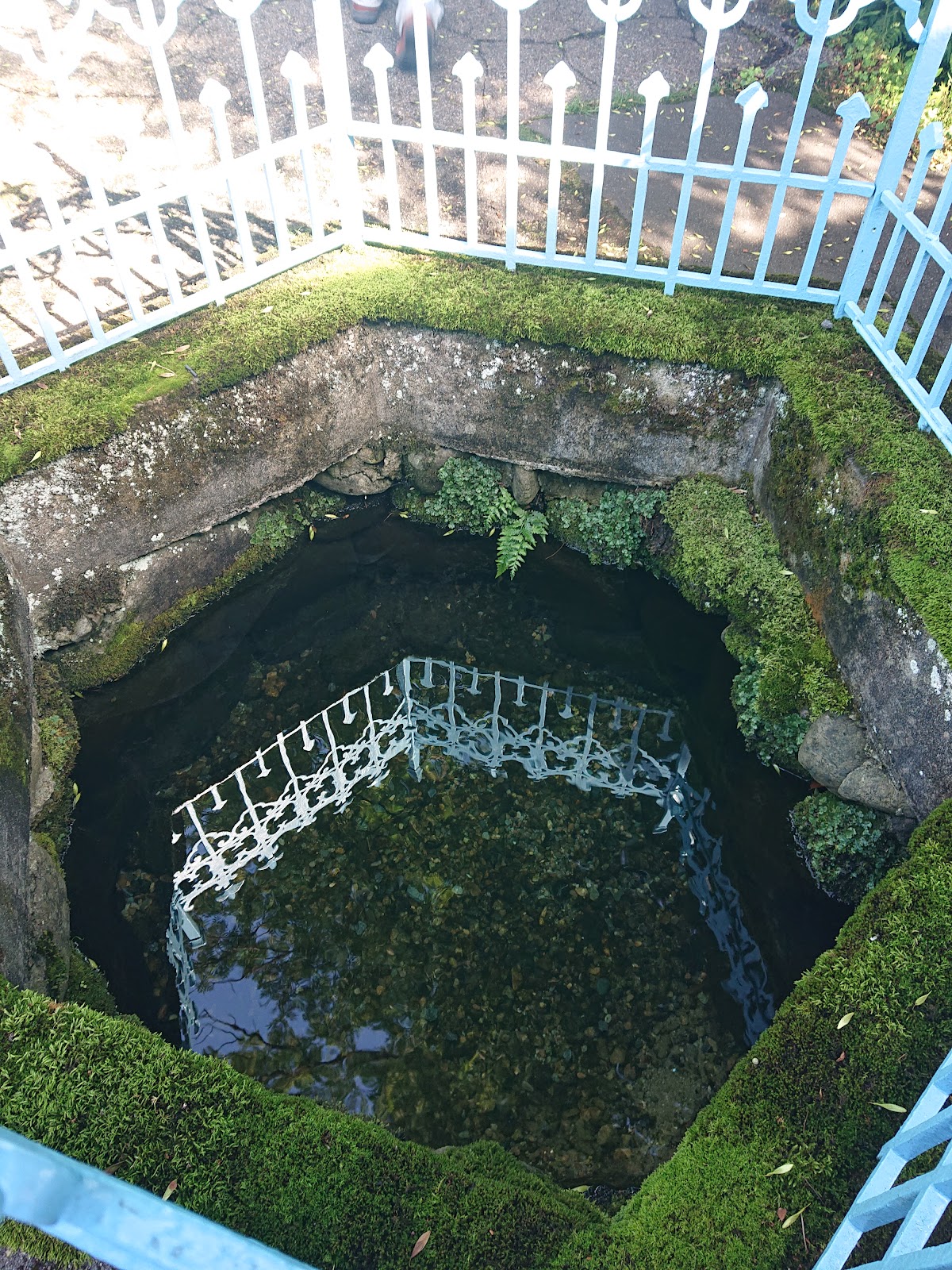
Iwashimizu refers to clear water that springs forth from bedrock or rock faces. The iwashimizu in Kanazawa Nakano Nagamochiyama, Yokote City, Akita Prefecture has long been cherished by local people as a place symbolizing the region’s abundant water resources.
Water springing from rocks is groundwater that has permeated through the ground over a long period and has been naturally filtered. It is characterized by generally good water quality. This region’s iwashimizu is no exception, and the sight of clear water flowing down the rock face gives visitors a sense of refreshment and the blessings of nature.
Geographical Characteristics of Iwashimizu
Kanazawa Nakano Nagamochiyama, Yokote City, is located in the mountainous region of southern Akita Prefecture and is blessed with a rich natural environment. This area is surrounded by high mountains, and the abundant precipitation and geological conditions combine to create an environment where high-quality spring water is born.
The place name “Nagamochiyama” is thought to reflect the geographical characteristics and historical background of this region. Water springing from bedrock in the mountainous area maintains relatively stable water volume throughout the seasons and has been utilized as a precious water resource for the region.
Basic Information about Iwashimizu
Detailed Location
- Address: Kanazawa Nakano Nagamochiyama, Yokote City, Akita Prefecture
- Regional Classification: Kanazawa District, Yokote City
- Access Classification: Mountainous Area
Kanazawa Nakano in Yokote City is known as a region rich in nature, and around Nagamochiyama, many place names related to water can be seen, such as “Iwasezawa,” “Ubagezawa,” “Aobata,” “Koiedo Gazawa,” “Gongoro-zuka,” and “Kinaaraisawa.” This indicates that this region has been blessed with abundant water resources since ancient times.
Water Quality Characteristics
The water quality of iwashimizu is generally low in impurities and high in transparency because it is naturally filtered as it passes through bedrock. Akita’s mountainous regions receive abundant precipitation, and the geological composition includes volcanic rock, so conditions are ideal for obtaining high-quality water with appropriate mineral content.
Water springing from rocks maintains relatively stable water temperature throughout the year, being cold in summer and resistant to freezing even in winter. This temperature stability is a characteristic of water springing from deep underground and is a precious water resource that is not easily affected by regional climate conditions.
Access Methods and Surrounding Information
Access to Kanazawa Nakano, Yokote City
Access to Kanazawa Nakano Nagamochiyama, Yokote City, Akita Prefecture is primarily by automobile. Public transportation access is limited, so it is recommended to confirm detailed route information in advance.
Main Routes:
- From Yokote City Center: From the center of Yokote City, head toward the Kanazawa district using national highways or prefectural roads. Travel time is approximately 30-40 minutes.
- From the Akita Expressway: Access via general roads from the nearest interchange.
- Local Roads: Roads within the Kanazawa Nakano district are mountain roads, requiring attention to snow accumulation and freezing in winter.
Nearby Place Names and Points of Interest
Numerous distinctive place names exist around Kanazawa Nakano:
- Kami-Sodegasawa / Shimo-Sodegasawa: Areas along creeks
- Kotsutsumi-zawa: A small dam creek
- Kuraishi-zawa: A creek with rocks shaped like horse saddles
- Kuratsugawa: The main river in the region
- Kawarabō: A conservation area along the riverbank
- Shiraishi-yama / Shiraishi-zawa: A mountain and creek characterized by white rocks
- Junisho: A historical place name
- Sankan-sekirame: An agricultural water diversion dam
- Tenjo-gasawa: A creek with high rock cliffs
- Neko-ya: A settlement at the base of a mountain castle
- Nukarike-zawa: A creek indicating geographical features
- Hachiman-daira: A flat elevated area
- Hiruzawa: A place name indicating biological characteristics
- Marumori: A round-shaped forest
- Monomi: A location where a watchtower existed
- Yumori: A forest with hot springs or spring water
These place names reflect the region’s topography, water systems, history, and lifestyle culture, serving as a reference for exploration around iwashimizu.
The Charm of Iwashimizu Throughout the Four Seasons
Iwashimizu in Spring
In spring, melting snow adds to the iwashimizu, increasing water volume. In the surrounding mountains, new leaves sprout, creating a beautiful landscape with the contrast between water flowing down the rock face and verdant greenery. During the spring mountain vegetable gathering season, local residents may visit the area.
Iwashimizu in Summer
Summer is the season when iwashimizu’s greatest charm is displayed. The cold water flowing down the rock face cools the surrounding air, providing a refreshment like a natural air conditioner. Beyond just touching the water, one can enjoy the coolness while listening to the sound of water springing forth.
On hot summer days, the area around iwashimizu is surrounded by cool air, increasing its value as a summer retreat. For those seeking to escape the heat of urban areas and enjoy coolness in nature, it becomes an ideal location.
Iwashimizu in Autumn
In autumn, the surrounding mountains are colored with autumn leaves, creating a splendid landscape contrasting iwashimizu with the changing foliage. In the clear air, one can simultaneously enjoy the sound of water flowing from the rocks and the beauty of autumn leaves—a luxurious time to spend.
During the autumn harvest season, local crops become abundant, and one can experience how the blessings of iwashimizu support the region’s agriculture.
Iwashimizu in Winter
Iwashimizu presents a different appearance in winter. Water flowing down the rock face freezes, forming spectacular icicles (tsurara). During the coldest seasons, the entire rock face becomes covered with icicles, creating a landscape like a frozen artwork created by nature.
The expression “Severe winter icicles hang in succession” perfectly captures the fantastic winter landscape, which is also popular with photography enthusiasts. However, in winter, snow accumulation and icy road surfaces may make access difficult, requiring adequate equipment and caution.
Iwashimizu and the Region’s History and Culture
Importance as a Water Resource
In the Kanazawa Nakano region of Yokote City, iwashimizu has long been utilized as a precious water resource. There is a history of supporting local people’s lives through use as agricultural irrigation water and household water.
The presence of the place name “Kinaaraisawa” (gold-washing creek) suggests that gold panning may have been conducted in the past. Clear water was essential for separating gold dust, and iwashimizu may have contributed to the region’s industry.
Belief and Iwashimizu
Throughout Japan, spring water has long been an object of worship. Clear water has been treated as sacred, and there are many examples of springs located within the grounds of shrines and temples. Within Akita Prefecture, shrines exist that enshrine spring water as sacred water.
The presence of the place name “Saihouji” in the Kanazawa Nakano region suggests that a temple once existed there. It is possible that iwashimizu was related to religious facilities.
Water Culture Seen in Place Names
Looking at place names around Kanazawa Nakano, one notices that place names ending in “sawa” (creek) are extremely numerous. This indicates that this region was blessed with an abundant water system.
- Kanazawa: A creek containing gold or a precious creek
- Kinaaraisawa: A creek where gold was washed
- Kawarabō: A region for preserving riverbanks
- Sankan-sekirame: An irrigation dam for agriculture
These place names tell the story of how local people have cherished water resources and skillfully utilized them.
Conservation and Present State of Iwashimizu
Importance of Environmental Conservation
Natural spring water like iwashimizu is sensitive to changes in surrounding environments. Water volume and quality may change due to forest logging, land development, and climate change.
Conserving iwashimizu as a precious natural resource of the region is the responsibility of those of us living today. When visiting, please pay attention to the following points:
- Always take trash with you: Leave no garbage to avoid polluting the natural environment
- Do not damage vegetation: Do not trample surrounding plants
- Protect water quality: Do not use detergents or chemical substances
- Be mindful of noise: Preserve the natural silence
Regional Revitalization and Iwashimizu
In recent years, many regions have been promoting regional revitalization by utilizing natural resources. Spring water spots like iwashimizu hold potential to generate new value as bases for ecotourism and regional appeal.
In the Kanazawa Nakano region of Yokote City, efforts for regional revitalization that leverage the region’s natural resources and historical culture, including iwashimizu, are anticipated.
Precautions and Etiquette When Visiting
Safety Precautions
When visiting iwashimizu, please pay attention to the following safety matters:
- Watch your footing: Rock areas and areas around spring water are slippery, so wear appropriate shoes
- Check the weather: Mountain areas have changeable weather, so check the weather forecast in advance
- Winter access: During snowy periods, confirm road conditions and install winter tires or chains
- Bear countermeasures: Be alert to bear activity reports in Akita’s mountainous regions and take measures such as carrying bear bells
- Avoid going alone: Visit with multiple people when possible
- Mobile phone signal: Some mountainous areas have no cellular coverage, so check in advance
Visiting Etiquette
- Consideration for private property: If there is private land nearby, do not enter without permission
- Consideration for local residents: Do not cause disturbance through noise or improper parking
- Water collection: If collecting water, keep it to the minimum necessary
- Photography: Be considerate of the privacy of other visitors
- No open flames: Strictly prohibit open flames to prevent forest fires
Combination with Nearby Tourist Attractions
Tourist Attractions in Yokote City
When visiting iwashimizu, you can also enjoy other tourist attractions in Yokote City:
- Yokote Castle: A castle ruins that is a symbol of Yokote City
- Yokote City Fureaicenter Kamakura-kan: A facility where you can experience “kamakura” year-round, Yokote’s winter tradition
- Masuda’s Storehouse: A historic townscape designated as an important traditional building preservation district
- Yokote Yakisoba: A B-grade gourmet famous for grilled noodles unique to Yokote
Natural Spots in Southern Akita Prefecture
- Akinomiya Hot Spring Village: A historic hot spring area in Yuzawa City
- Oyasukyo Gorge: A scenic spot in Yuzawa City where gorge beauty and hot springs can be enjoyed
- Kawarahage Hell: A volcanic landscape in Yuzawa City
- Mount Kurikoma: A famous mountain spanning three prefectures—Akita, Iwate, and Miyagi
Iwashimizu and Japanese Spring Water Culture
Japan’s Hundred Best Waters
The Ministry of the Environment’s selection of “Hundred Best Waters” includes excellent springs and rivers from throughout Japan. From Akita Prefecture, selections include “Rokugō Spring Group” (Misato Town) and “Chikara-mizu” (Senboku City).
Local spring water like iwashimizu is also “best water” to local people and a cherished water resource that has been protected.
Spring Water and Japanese Culture
In Japanese culture, clear water has held important significance:
- Tea ceremony: In tea ceremony, water quality is emphasized, and tea prepared with best water is highly valued
- Sake brewing: High-quality water is essential for Japanese sake production
- Cooking: Water quality affects the taste of dishes such as tofu and buckwheat noodles
- Belief: The importance of water in religious rituals, such as water basins at shrines and sacred water
The word “iwashimizu” itself has been widely used in place names, personal names, and product names as a word carrying the image of clear and sacred water.
Scientific Aspects of Iwashimizu
Mechanism of Spring Water
The mechanism by which iwashimizu springs forth involves the following process:
- Precipitation: Rain and snow fall to the earth’s surface
- Infiltration: Water permeates through gaps in soil and bedrock into the ground
- Groundwater formation: Water forms aquifers underground
- Natural filtration: Impurities are removed as water passes through bedrock
- Emergence: Due to topographic and geological conditions, water springs to the surface
The geological conditions around Nagamochiyama are a factor in producing high-quality iwashimizu.
Water Quality Characteristics
The water quality of iwashimizu varies depending on the type of bedrock it passes through:
- Hardness: Content of calcium and magnesium
- pH value: Degree of acidity, neutrality, or alkalinity
- Mineral content: Content of various minerals
- Water temperature: Changes in water temperature throughout the year
Akita’s geology is diverse, and water quality characteristics differ by region.
Looking Toward the Future of Iwashimizu
Sustainable Use
To pass natural resources like iwashimizu on to future generations, sustainable use is important. We must avoid excessive development and use, respecting nature’s cycles.
The Role of Local Communities
When local people recognize the value of iwashimizu and participate in conservation activities, it leads to long-term preservation. It is important to convey the significance of iwashimizu to future generations through regional events and environmental education.
Promotion of Investigation and Research
By conducting continuous research on iwashimizu’s water quality, water volume, and surrounding environment, we can detect changes early and implement appropriate conservation measures.
Conclusion
Iwashimizu in Kanazawa Nakano Nagamochiyama, Yokote City, Akita Prefecture is a precious natural resource of the region and a place symbolizing rich water culture. Iwashimizu, which shows a different appearance throughout the four seasons, allows visitors to feel the blessings and beauty of nature.
The coolness of summer, the beauty of winter icicles, and the clear water that springs throughout the year are deeply connected to the region’s history and culture. When visiting iwashimizu, appreciate nature, be mindful of environmental conservation, and enjoy this precious resource.
The abundant nature and water resources of the Kanazawa Nakano region teach us the importance of coexistence with nature. From the small spring water spot called iwashimizu, you can sense the region’s history, culture, and the richness of its natural environment.
When visiting the region, confirm detailed information in advance, visit with attention to safety, and fully experience the charm of iwashimizu. Moreover, it is important that each of us maintains environmental conservation awareness so that this precious natural resource is passed on to future generations.