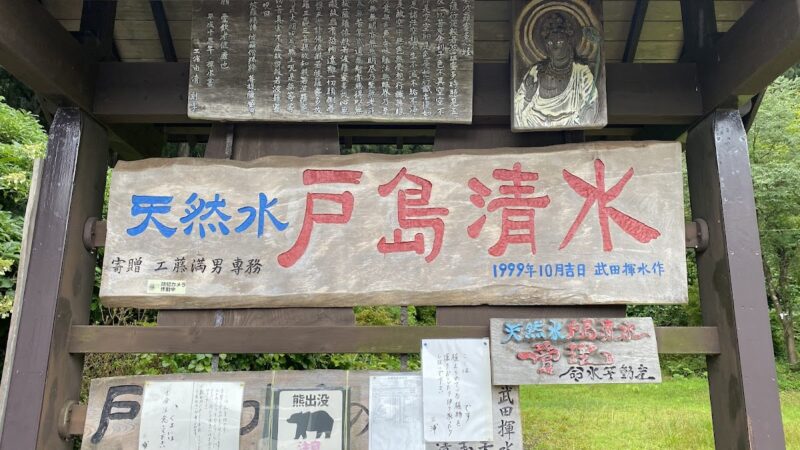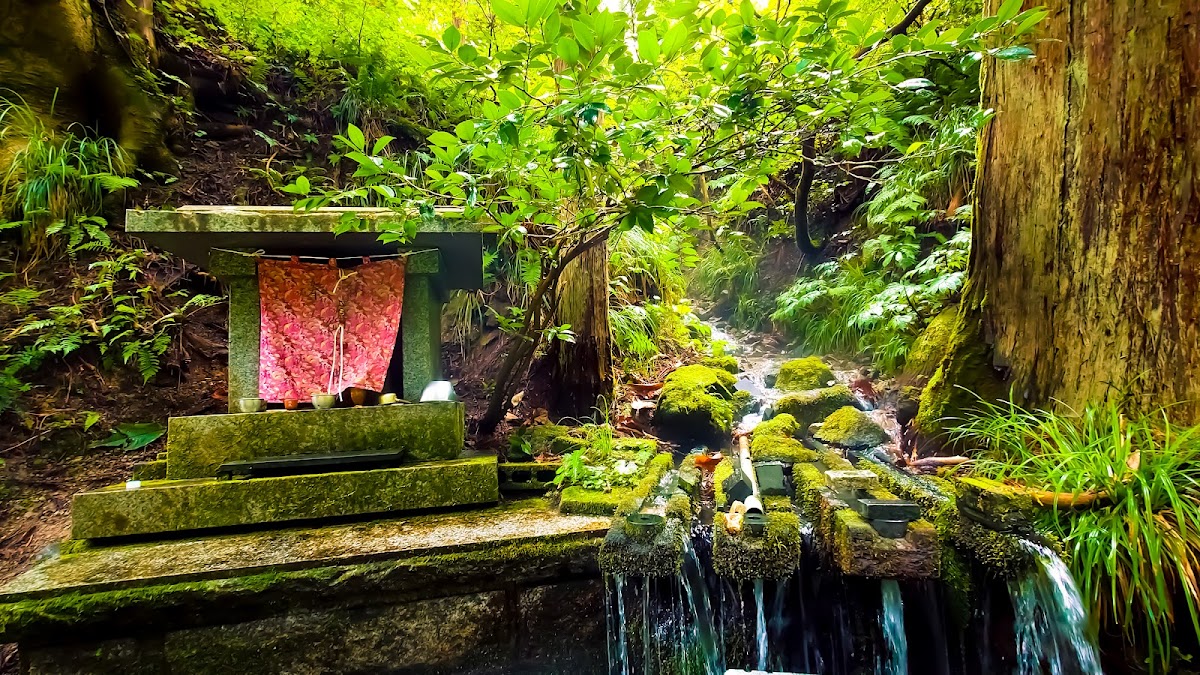
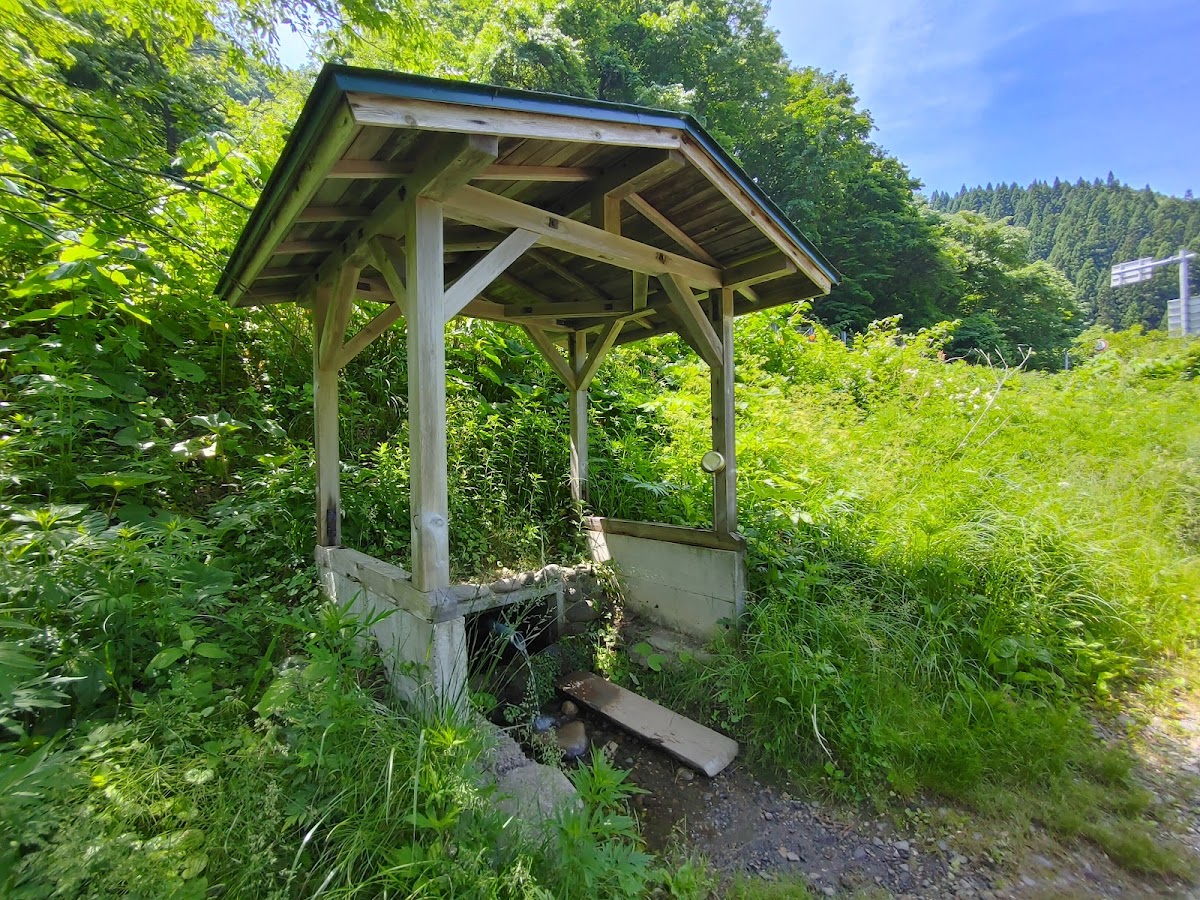
Shio no I (Shionoī) – Salt Well at Yamane, Kiriseki, Futatsui Town, Noshiro City, Akita Prefecture: Mystical Spring Water Where History and Legend Live On
The “Shio no I” (Salt Well) located at Yamane, Kiriseki, Futatsui Town, Noshiro City, Akita Prefecture, is a precious historical site that conveys the region’s history and culture to the present day. The water that springs forth in this area has long been cherished by local residents and has been passed down through generations along with numerous legends and anecdotes. This article provides a detailed explanation of the historical background, geographical characteristics, and current state of Shio no I.
What is Shio no I?
Shio no I is a historical spring water site located in the Yamane district of Kiriseki, Futatsui Town, Noshiro City, Akita Prefecture. As the name “Shio no I” (Salt Well) suggests, this water has the characteristic of containing salt content, and because it possesses a seawater-like quality despite being inland, it has drawn the interest of local people since ancient times.
Futatsui Town is a region that developed along the Yoneshiro River, with numerous natural features and historical heritage sites remaining. Shio no I is included as one of such regional cultural properties and is featured as a tourist spot introduced by the Futatsui Town Tourism Association.
Origin of the Name “Shio no I”
The name “Shio no I” derives from the fact that the spring water contains salt content. The phenomenon of salt-containing water springing forth in an inland area is geologically interesting. This region may have been a seabed in ancient times, and it is theorized that marine water components trapped in geological layers have seeped out over many years.
According to local tradition, this salt water was apparently used for food and food preservation since ancient times, and may have served as a valuable source of salt for people living in mountainous areas.
Historical Background of Shio no I
Connection with the History of Futatsui Town
Futatsui Town developed as a key point in the transportation of goods utilizing the water transportation of the Yoneshiro River. During the Edo period, it served as an important traffic route for the Akita Domain, and from the Meiji period onward, it flourished as a timber collection point. Numerous historical sites are scattered throughout this region, including “Ofunesama,” “Kabuto Shrine,” “Buried Wood Excavation Site,” “Meiji Emperor Small Rest Memorial Monument,” and “Ryūmezawa Remains,” with Shio no I being one of them and serving as an important presence that tells the region’s history.
The Kiriseki district, where Shio no I is located, is situated in the mountainous area of Futatsui Town and consists of multiple settlements including Ageno Kami, Ienoshift, Ōkawara, Ōkura, Ōyanagi, Karasakashita, Sasamori, Shimonitta, Shimohata, Shirasunoshimo, Tateyoshi, Nakanitta, Takenoshita, Umayagadai, Yagiyama, Yamane, and Ryūmezawa. The Yamane district, where Shio no I is located, is one of these settlements and a place where people have lived since ancient times.
Geological Characteristics and Formation Process
The inland regions of Akita Prefecture, particularly the area around Noshiro City, is known from geological surveys to have been a seabed millions of years ago. The geological layers in this region are widely distributed with Neogene marine sediments, preserving traces of the marine environment of that time.
The salt-containing water of Shio no I is believed to be ancient seawater trapped in geological layers that has seeped out as groundwater over many years. Such phenomena are called “fossil seawater” and can be seen in former seabed areas throughout Japan, each with its own distinctive characteristics.
Buried wood (buried forests) excavation sites are also known in the area around Futatsui Town, indicating that this region has experienced major tectonic movements and environmental changes in the past. Shio no I, too, can be said to be a precious natural heritage that tells the story of Earth’s history.
Geographical Location and Access to Shio no I
Detailed Location Information
Shio no I is located at Yamane, Kiriseki, Futatsui Town, Noshiro City, Akita Prefecture. This area is located in the southern part of Noshiro City and spreads across mountainous terrain along the Yoneshiro River.
Address Details:
- Prefecture: Akita
- City: Noshiro
- Town: Futatsui
- Ōaza: Kiriseki
- Aza: Yamane
Futatsui Town was an independent town until its merger with Noshiro City in 2006 (Heisei 18), but continues to maintain its regional uniqueness as part of Noshiro City today.
How to Access
Access to Shio no I is primarily by automobile. Public transportation access is limited, so adequate preparation is necessary when planning a visit.
By Automobile:
- Head south from central Noshiro City on National Route 7 toward Futatsui
- Use roads from Futatsui town center toward Kiriseki
- Follow signs within the Yamane district to the destination
Nearest Major Facilities:
- Approximately 15-20 minutes by car from JR Ōu Main Line Futatsui Station (depending on road conditions)
- Approximately 10-15 minutes by car from Futatsui Shirakami Interchange on the Akita Expressway
Due to the mountainous location, caution regarding snow accumulation and road freezing is necessary during winter. It is recommended to plan your visit with appropriate seasonal equipment and adequate time.
Tourist Attractions in Futatsui Town and Shio no I
Major Tourism Resources in Futatsui Town
Shio no I is positioned as one of the tourist attractions in the “Things to See” category introduced by the Futatsui Town Tourism Association. The same category includes the following historic sites and notable locations:
Ofunesama:
A giant rock within the Kimimachi-zaka Prefectural Natural Park whose shape resembles a boat, giving it this name. You can enjoy beautiful scenery combining the Yoneshiro River landscape.
Kabuto Shrine:
A shrine that has been worshipped as a guardian deity of the region since ancient times, possessing unique history and tradition.
Buried Wood Excavation Site:
The site where a buried forest from approximately 30,000 years ago was discovered, conveying the forest environment of that time to the present. Known as a spot where visitors can experience Earth’s history.
Meiji Emperor Small Rest Memorial Monument:
A monument commemorating the place where the Meiji Emperor rested during his Northeastern tour, an important historical site telling the region’s modern history.
Ryūmezawa Remains:
Remains of ancient human habitation, indicating the long history of human activity in this region.
By visiting these tourist attractions together with Shio no I, one can gain a comprehensive understanding of Futatsui Town’s diverse history and nature.
Surrounding Natural Environment
The mountainous areas of Futatsui Town, including Kiriseki district, are blessed with abundant nature. The clear waters of the Yoneshiro River, the surrounding mountains, and vegetation that changes with the seasons create beautiful scenery.
Spring brings fresh greenery, summer displays deep green, autumn showcases autumn leaves, and winter presents snow-covered landscapes, with natural environments displaying different faces with each season. The area around Shio no I, surrounded by such abundant nature, has appeal not only for its historical value but also as a spot for nature observation.
Current State and Preservation of Shio no I
Present Condition
Shio no I is recognized as a regional historical heritage site; however, it is not extensively developed as a tourist destination. Rather, it possesses a strong character as a quiet historic site that continues to live in the memory and oral traditions of local people.
Visitors should approach it not expecting well-developed tourist facilities, but as a place to quietly feel the region’s history and nature. Since it is a historic site within the local residents’ living space, consideration for the local community is necessary when visiting.
Preservation and Utilization Challenges
A common challenge facing many local historical heritage sites is the difficulty of maintenance due to depopulation. Mountainous regions of Akita Prefecture, including Futatsui Town, are experiencing population decline and aging, accompanied by various difficulties in preserving regional cultural properties and historic sites.
Small-scale historic sites like Shio no I have been strongly protected by local residents’ memories and affection, and such community strength will continue to be important in the future. At the same time, external interest and visits can serve as an opportunity to reassess the region’s historical value.
Characteristics of Kiriseki District, Futatsui Town
District Composition and History
Kiriseki district, as mentioned earlier, comprises multiple settlements with its own unique history and characteristics, with Yamane being one of them with a long history.
These settlements have sustained livelihoods centered on agriculture and forestry amid the harsh natural environment of mountainous areas. During the era of active water transportation on the Yoneshiro River, they served as important suppliers of forest resources, supporting the regional economy.
Regional Life and Culture
In mountainous settlements, unique living culture distinct from urban areas has been cultivated. Coexistence with nature, the spirit of mutual assistance, seasonal events and festivals rooted in community—such culture continues to be passed down today.
Historic sites like Shio no I exist not merely as tourist resources but as part of the identity of the region’s people. Understanding the region’s history and recognizing its value holds important significance for us living in modern times.
Points to Note When Visiting Shio no I
Mindset for Visiting
When visiting Shio no I, it is important to keep the following points in mind:
- Consideration for Local Residents: Understand that this is a historic site within the living space of local people and view it quietly.
- Environmental Conservation: Always take your trash with you and be careful not to damage the natural environment.
- Safety Confirmation: Visit with appropriate clothing and equipment suitable for mountainous areas. Particular caution regarding snow accumulation and freezing is necessary in winter.
- Prior Information Gathering: It is recommended to contact the Futatsui Town Tourism Association to confirm the latest information.
- Time Allowance: Road conditions and weather may cause delays, so plan with adequate time margins.
Use of Nearby Facilities
In Futatsui Town’s town center, there is the Michi no Eki Futatsui and various commercial facilities where rest stops, meals, and souvenir purchases are possible. By utilizing these facilities along with visiting Shio no I, you can have a more fulfilling tourism experience.
As regional specialties, kiritanpo (rice pot), Hinai chicken, and wild vegetables abundant with Akita Prefecture’s distinctive foods are available. Enjoying the region’s cuisine is an important element of travel.
Shio no I and the Future of the Region
Value as Cultural Heritage
Shio no I is a precious historic site combining geological interest and historical value. Such small-scale regional cultural properties are not necessarily widely known, but serve as important clues for understanding the region’s history and culture.
Going forward, it is necessary to appropriately preserve this as a regional historical resource and pass it on to future generations. This requires understanding and cooperation from local residents, administrative support, and appropriate external interest.
Contribution to Sustainable Regional Development
In modern times when regional revitalization is emphasized, the utilization of regional historical resources for tourism promotion is an important strategy. Shio no I, while not suited for large-scale tourism development, has the potential to contribute to sustainable regional development as an important element displaying regional individuality.
It is expected that by accepting diverse visitors—those interested in history and culture, lovers of nature, and those with interest in regional life—the site can contribute to regional revitalization.
Conclusion
Shio no I is a historical spring water site located at Yamane, Kiriseki, Futatsui Town, Noshiro City, Akita Prefecture, with the geologically interesting characteristic of spring water containing salt content despite its inland location. As one of the tourist attractions introduced by the Futatsui Town Tourism Association, along with Ofunesama, Kabuto Shrine, the Buried Wood Excavation Site, the Meiji Emperor Small Rest Memorial Monument, and Ryūmezawa Remains, it is an important historic site conveying the region’s history and culture to the present.
Located in the Yamane settlement of Kiriseki district, this historic site, though not a large-scale tourist destination, continues to exist as a precious presence quietly telling the region’s history, living on in the memory and affection of local residents. When visiting, one can sense this region’s unique history and nature while taking care to show consideration to the community and practice environmental conservation.
The abundant nature and historical heritage of Futatsui Town teach us living in modern times the importance of regional individuality and the diversity of culture. Shio no I, too, is one such regional treasure that should continue to be carefully preserved and passed down to future generations.