Complete Guide to Hino Mizu Water (Tsuruga City, Fukui Prefecture): History, Benefits, Access, and Nearby Famous Water Spots
Fukui Prefecture is a region blessed with abundant nature and famous waters, as expressed by the four-character idiom “Etsuzan Jakusui.” Among these, “Hino Mizu Water (Hinomizunomizu)” located in Hinomizu-cho, Tsuruga City, is a spring water spot known for its mysterious legends and spiritual benefits, attracting not only local residents but also many visitors from within and outside the prefecture.
This article provides detailed information about Hino Mizu Water’s historical background, characteristics of the spring water, expected spiritual benefits, access methods, and nearby famous water spots.
Hino Mizu Water: A Sacred Spring with Mystical Origins in Tsuruga
Twelve Stone Jizo Statues and the Miracle of Spring Water
Hino Mizu Water is a spring with a mysterious legend involving twelve stone Jizo statues discovered during land development construction in 1889 (Meiji 22). According to tradition, when the twelve Jizo statues unearthed during construction were enshrined at the site, clear water began to spring forth from a location where water had never flowed before.
From this miraculous event, the water became known locally as “Hino Mizu,” and has been carefully preserved as a spiritually powerful water. The twelve Jizo statues remain enshrined at the spring site today, quietly watching over visitors.
Recognized as “Fukui’s Delicious Water”
Hino Mizu Water was selected for “Fukui’s Delicious Water,” a certification program by Fukui Prefecture for directly drinkable spring water and similar sources. This certification system, launched by Fukui Prefecture in fiscal year 2005 (Heisei 17), investigated more than 120 spring water sources and wells throughout the prefecture before certifying truly delicious natural waters.
While the program concluded in September 2023 (Reiwa 5), Hino Mizu Water was recognized as one of the certified spring sites, with its water quality officially evaluated as excellent.
Spiritual Benefits of Hino Mizu Water: Three Major Benefits and Faith History
Spiritual Efficacy for Internal Diseases, Skin Conditions, and Eye Ailments
Hino Mizu Water has long been believed to offer benefits against the following three types of illnesses:
1. Internal Diseases
The water is said to be effective for digestive system disorders and internal purification, with the belief that regular consumption helps improve overall health.
2. Skin Conditions
People suffering from atopic dermatitis, eczema, and other skin problems have traditionally washed affected areas or consumed the water seeking improvement.
3. Eye Ailments
The water is also believed to help with eye diseases and eye strain, with practices of washing the eyes or consuming the water.
These spiritual benefits stem more from long-standing faith and local oral traditions rather than scientific evidence, though the water quality has been confirmed as excellent through prefectural surveys.
Local Faith and the Twelve Stone Jizo Statues
The twelve Jizo statues are believed to be related to the twelve zodiac signs or twelve links of causation in Buddhism, with each statue thought to grant different wishes. Local residents continue to visit regularly, making offerings and expressing gratitude for the water’s blessings.
Characteristics of Hino Mizu Water: Water Quality and Taste
Water Quality of the Spring
Fukui Prefecture is blessed with abundant precipitation and groundwater flowing from its mountains, and Hino Mizu Water is a spring that benefits from these natural gifts. Generally, spring water from Fukui Prefecture has the following characteristics:
- Low hardness soft water: Smooth taste and easy to drink
- Mineral balance: Contains appropriate mineral content
- Temperature stability: Maintains relatively consistent temperature throughout the year
- High transparency: Clear and free of cloudiness
Precautions When Drinking
When consuming spring water, the following points should be noted:
- Water quality changes: Quality may vary depending on weather and season
- Boiling recommended: When drinking as raw water, it is at your own discretion, but boiling before consumption is recommended
- Container cleanliness: Use a clean container for collecting water
- Storage after taking home: Store in refrigerator and use soon after collection
Access Information: How to Reach Hino Mizu Water
Location
Address: Hinomizu-cho, Tsuruga City, Fukui Prefecture
Transportation Access
By Car
- Approximately 10 minutes from Tsuruga IC on the Hokuriku Expressway
- Approximately 5-10 minutes from Tsuruga city center via National Route 8
- Parking space is limited; please check local conditions
By Public Transportation
- Approximately 10 minutes by taxi from JR Hokuriku Main Line Tsuruga Station
- Community bus service available, but service is limited; advance confirmation is necessary
Etiquette When Visiting
Hino Mizu Water is also a place of faith cherished by local residents. Please observe the following etiquette when visiting:
- Show respect for the Jizo statues and pray quietly
- Always take your trash with you
- Use the spirit of consideration when collecting water
- Be considerate of private property and nearby residents
Fukui Prefecture’s Water Culture: The Spirit of “Etsuzan Jakusui”
What is “Etsuzan Jakusui”?
“Etsuzan Jakusui” (Etsuzan Jakusui) is a four-character idiom representing Fukui Prefecture’s nature. “Etsuzan” refers to the mountains of Echizen, and “Jakusui” refers to the waters of Wakasa, expressing that Fukui Prefecture is blessed with abundant mountain resources and water.
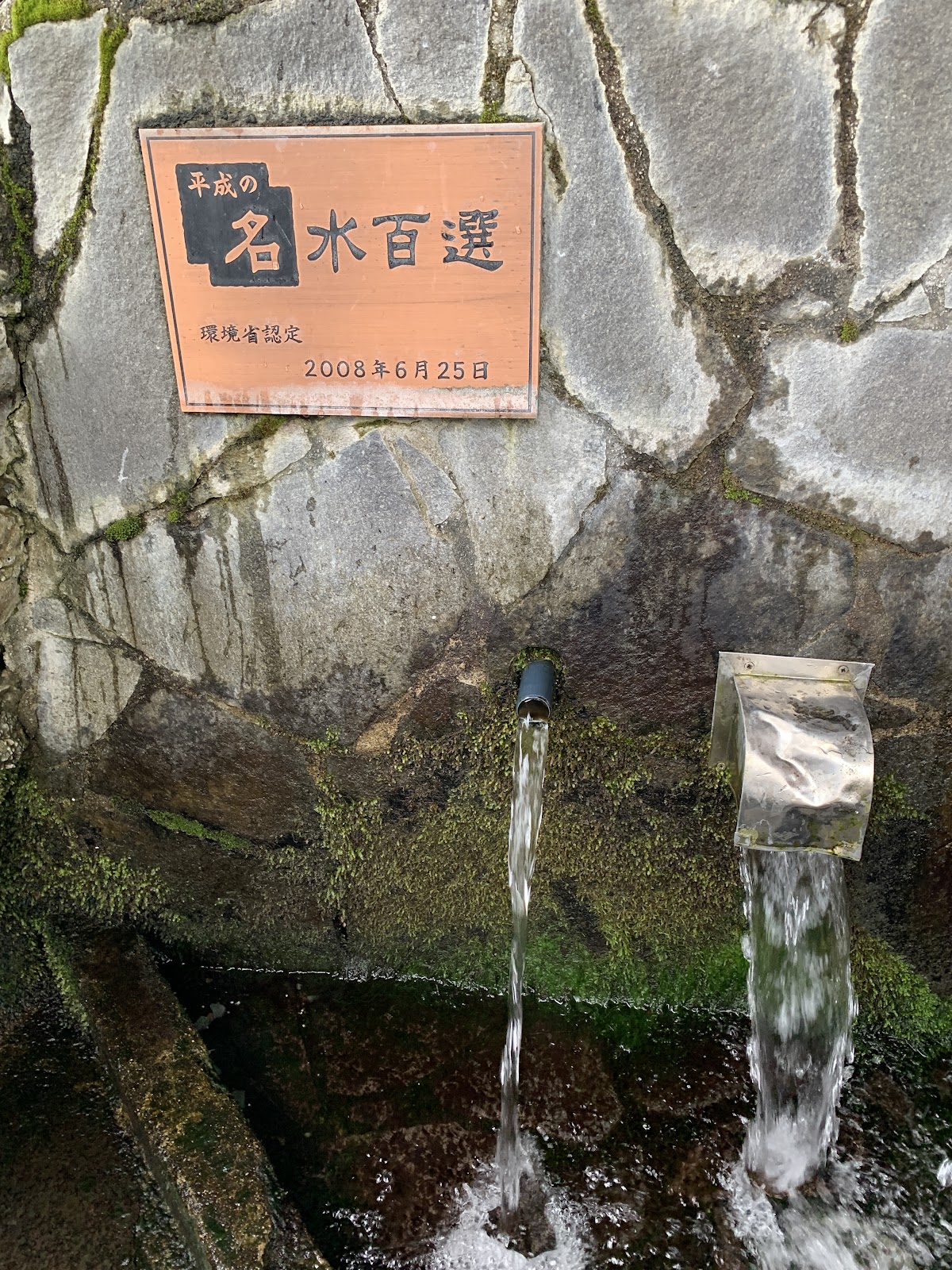
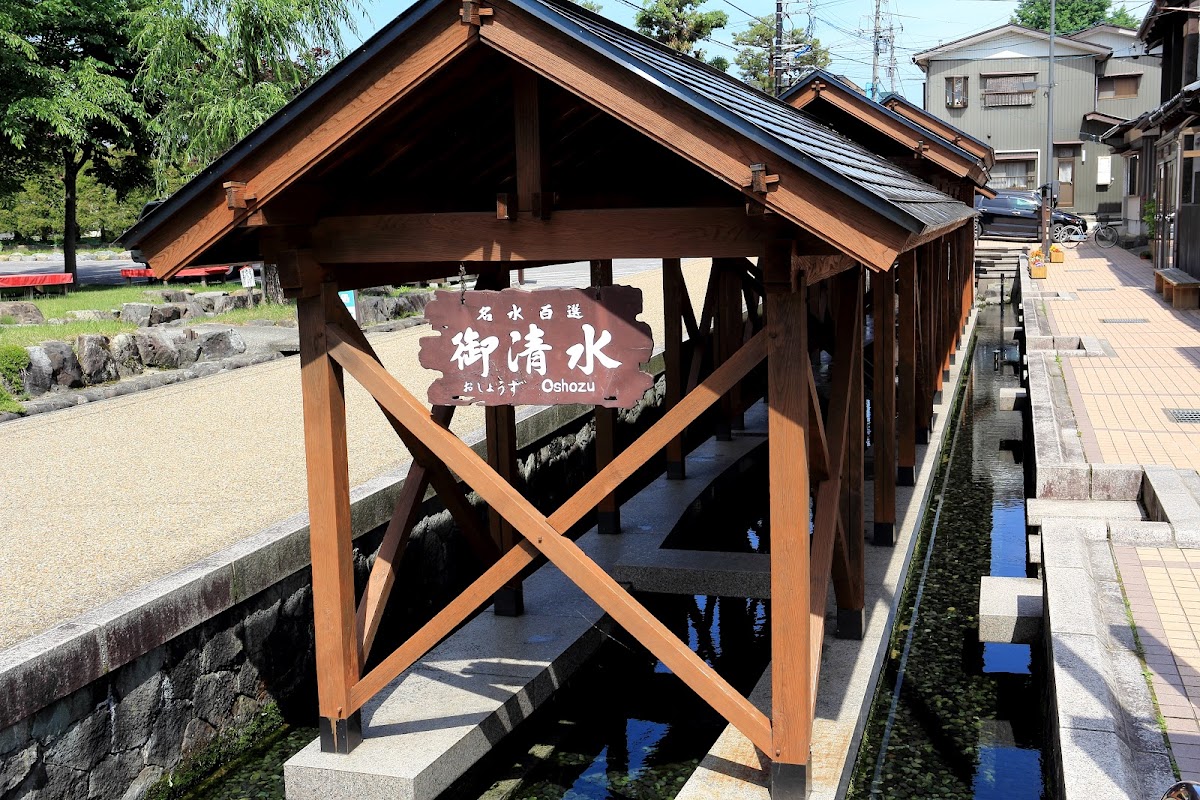
In fact, Fukui Prefecture has two water sources selected by the Ministry of the Environment’s “100 Famous Waters of Japan”:
- Oshoshizu (O-Shoushizu): Ono City
- Uriwarino Falls (Uriwarinofalls): Wakasa Town
In addition to these, numerous spring water spots are scattered throughout the prefecture and are deeply connected to regional life and culture.
Fukui Prefecture’s Abundant Water Resources
Fukui Prefecture experiences high annual precipitation, and abundant groundwater is supplied from mountains such as the Hakusan mountain range and the Echizen Coast mountains. These natural conditions bring high-quality spring water to locations throughout the prefecture.
Famous Water Spots Around Tsuruga City
When visiting Hino Mizu Water, why not also visit other famous water spots in the area?
Kaeriyama Kannon’s Enmei Daijo Water
Another famous water spot within Tsuruga City. Kaeriyama Kannon is an ancient temple that has attracted many worshippers, and “Enmei Daijo Water” (Water for Long Life and Enlightenment) that springs from its grounds is believed to offer benefits for longevity and long life, as its name suggests.
Characteristics:
- Sacred water from within a temple
- Benefits for longevity and long life
- Peaceful environment for calm prayer
Famous Waters in the Wakasa Area
If you venture toward the Wakasa region from Tsuruga City, you’ll find many more famous water spots.
Uriwarino Falls (Wakasa Town)
- Selected for the Ministry of the Environment’s “100 Famous Waters of Japan”
- Extremely cold water temperature, even in summer
- The name derives from the legend that the water is cold enough to split melons
- Well-developed tourist facilities making it easily accessible
Unjyo Water (Obama City)
- Spring water near Obama Castle ruins
- Can experience the atmosphere of a historic castle town
- Has been used as daily water by local residents
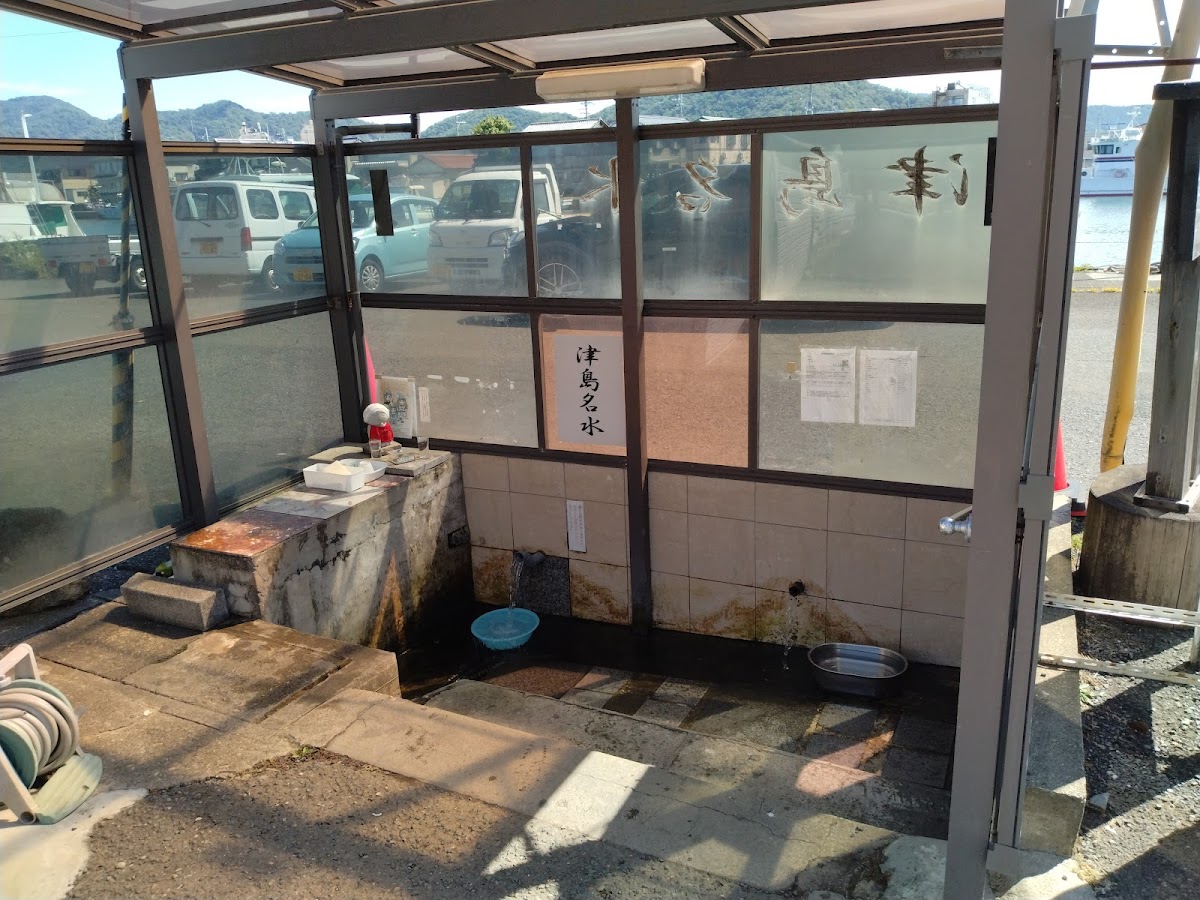
Tsushima Famous Water (Obama City)
- Spring water rooted in the community
- A famous water spot closely connected to daily life
Points for Collecting Water and Usage Methods
Preparing to Collect Spring Water
When bringing spring water home, prepare the following:
Necessary Tools:
- Clean polycans or plastic bottles (pre-washed and disinfected)
- Funnel (convenient for pouring)
- Towel or cloth (for spilled water)
- Cooler box (for summer transport)
Tips for Collection:
- Rinse container lightly with spring water beforehand
- Hold container directly under the spring outlet to collect
- Fill slowly to avoid air pockets
- Close cap securely
Ways to Use Spring Water
Collected spring water can be used in various ways:
For Drinking:
- Drink directly (boiling recommended)
- Brew tea or coffee
- Use for cooking rice
For Cooking:
- Extract soup stock
- Use in miso soup and simmered dishes
- Boil vegetables
Other Uses:
- Watering houseplants
- Pet drinking water (after boiling)
Enjoying Water Spot Tours: A Pilgrimage to Fukui Prefecture’s Spring Sites
Suggested Water Spot Tour Route
Here’s a suggested route for efficiently touring famous water spots throughout Fukui Prefecture.
Tsuruga and Wakasa Area One-Day Course:
- Hino Mizu Water (Tsuruga City)
- Kaeriyama Kannon’s Enmei Daijo Water (Tsuruga City)
- Uriwarino Falls (Wakasa Town)
- Unjyo Water or Tsushima Famous Water (Obama City)
With this route, you can visit 4-5 famous water spots in a single day.
Combined with Okuetsu Area:
If you have extra time, extending your trip to Ono City’s Oshoshizu (selected for 100 Famous Waters of Japan) is also recommended. Ono City, called the “Little Kyoto of Hokuriku,” offers beautiful townscapes that harmonize castle-town charm with spring water.
Checklist of Items for Water Spot Tours
- Clean water collection containers (multiple)
- Cooler box
- Towel and wet tissues
- Camera (for photos)
- Map or smartphone with GPS
- Coins for offerings (for shrines and temples)
- Rain gear (to prepare for weather changes)
- Drinking water and light snacks
Fukui Prefecture’s Water Environment Conservation Efforts
History of the “Fukui’s Delicious Water” Certification System
Fukui Prefecture started the “Fukui’s Delicious Water” certification program in fiscal year 2005 (Heisei 17), investigating more than 120 spring water sources and wells throughout the prefecture. This initiative was undertaken for the following purposes:
- Water Resource Conservation: Publicize the existence of high-quality spring water and raise conservation awareness
- Use as Tourism Resource: Promote famous waters as tourism resources
- Establishment of Regional Brand: Publicize Fukui Prefecture’s abundant water environment
Initial certifications began in fiscal 2005, with 25 additional sites certified in January 2006 (Heisei 18) and 10 more in March, bringing the total to 35. Certifications continued afterward, with many spring sites certified before the program’s conclusion in September 2023 (Reiwa 5).
Water Source Conservation Activities by Communities
Spring water like Hino Mizu Water is protected through dedicated efforts by local residents:
- Regular cleaning activities
- Environmental improvements around water source areas
- Water quality testing
- Awareness activities for visitors regarding etiquette
Through these efforts, high-quality water resources are passed on to future generations.
Spring Water and Regional Culture: Water’s Blessings in Community Life
History as Agricultural Water
Fukui Prefecture’s spring water has long been used as irrigation water. A map of Morimori Manor from the Nara period, preserved in the Shosoin Repository, shows that multiple water channels were already drawn through the manor, with ingenious use of channels (toi) at intersections to direct water.
The word “toi” (channel/gutter) is possibly related to the place name “Hinomizu-cho” of Hino Mizu Water, indicating that advanced water management and utilization techniques were developed in ancient times.
Role as Daily Water
Spring water has played an important role as daily water:
- As drinking water
- For laundry and dishwashing
- For washing vegetables and rice
- For cooling in summer
While modern piped water is now widespread, spring water remains an important part of daily life in many communities.
Hino Mizu Water Through the Seasons: Best Times to Visit
Spring (March-May)
A season of abundant water flow as snowmelt adds to the spring. Water collection amidst fresh greenery offers a refreshing experience. Flowers bloom around the Jizo statues, creating a peaceful atmosphere.
Summer (June-August)
A season when the cold spring water is most pleasant. On hot days, the gratitude for water’s blessing is especially felt. However, high temperatures require proper management of collected water in a cooler box.
Autumn (September-November)
A season of stable weather and ideal for water spot tours. The combination of autumn foliage and spring water is picturesque and recommended for photography.
Winter (December-February)
Snow may accumulate, requiring careful access, but the Jizo statues and spring water in a snowy landscape create a mystical atmosphere. Visit with proper cold-weather preparations.
Conclusion: Experience Fukui’s Water Culture at Hino Mizu Water
Hino Mizu Water is a special place where a mystical legend spanning from the Meiji era, the faith of local residents, and Fukui Prefecture’s abundant water resources converge. The spring water watched over by twelve Jizo statues is believed to offer benefits for internal diseases, skin conditions, and eye ailments, and continues to be visited by many people today.
With a history of being certified as “Fukui’s Delicious Water,” its water quality has been officially evaluated as excellent. When visiting Tsuruga City, be sure to visit this sacred spring and experience Fukui’s water culture firsthand.
Nearby water spots include the Enmei Daijo Water of Kaeriyama Kannon, Uriwarino Falls in the Wakasa region, Unjyo Water, and Tsushima Famous Water. Incorporate these into a water spot tour route and enjoy a trip that lets you feel the spirit of Fukui’s “Etsuzan Jakusui” with your own senses.
When visiting, remember to show respect for the water source carefully preserved by local residents, and observe proper etiquette. Then, savor the water you’ve collected at home and reflect on Fukui’s natural blessings.