Complete Guide to Kanaya Spring Water (Kanro Sui) | Thorough Explanation of Fukui City’s Historic Famous Water Spot
The “Kanaya Spring Water,” commonly known as “Kanro Sui (甘露水),” quietly flowing in Kanaya Town, Fukui City, Fukui Prefecture, is a historically significant famous water that has been beloved by local residents from the Sengoku period to the present day. Located at the site of the former grounds of Kosho-ji Temple, the clan temple of the Asakura clan of Echizen during the Sengoku period, it has been formally recognized by Fukui Prefecture as “Fukui’s Delicious Water,” a precious spring water spot.
This article comprehensively introduces information useful for those considering a visit, including the historical background of this Kanro Sui, the origin of its name, water quality characteristics, access methods, and surrounding tourism information.
What is Kanaya Spring Water (Kanro Sui)?
Basic Information
Kanaya Spring Water (Kanro Sui) is a natural spring located in Kanaya Town, Fukui City. Formally called “Kanro Sui at the Site of Kosho-ji Temple (こうしょうじあとちのかんろすい),” it is recognized as one of Fukui Prefecture’s selected “Fukui’s Delicious Water.”
Location: Kanaya Town, Fukui City, Fukui Prefecture
Recognition: Fukui’s Delicious Water (Fukui Prefecture certified)
Use: Drinkable directly
Management: Conservation activities by local residents
About “Fukui’s Delicious Water” Certification
Starting in fiscal year 2005, Fukui Prefecture began a certification system for “Fukui’s Delicious Water,” selecting directly drinkable spring water and well water from various locations throughout the prefecture. This system aims to select spring water and well water with good water quality that is properly managed by local residents, and to widely publicize Fukui Prefecture’s rich water environment.
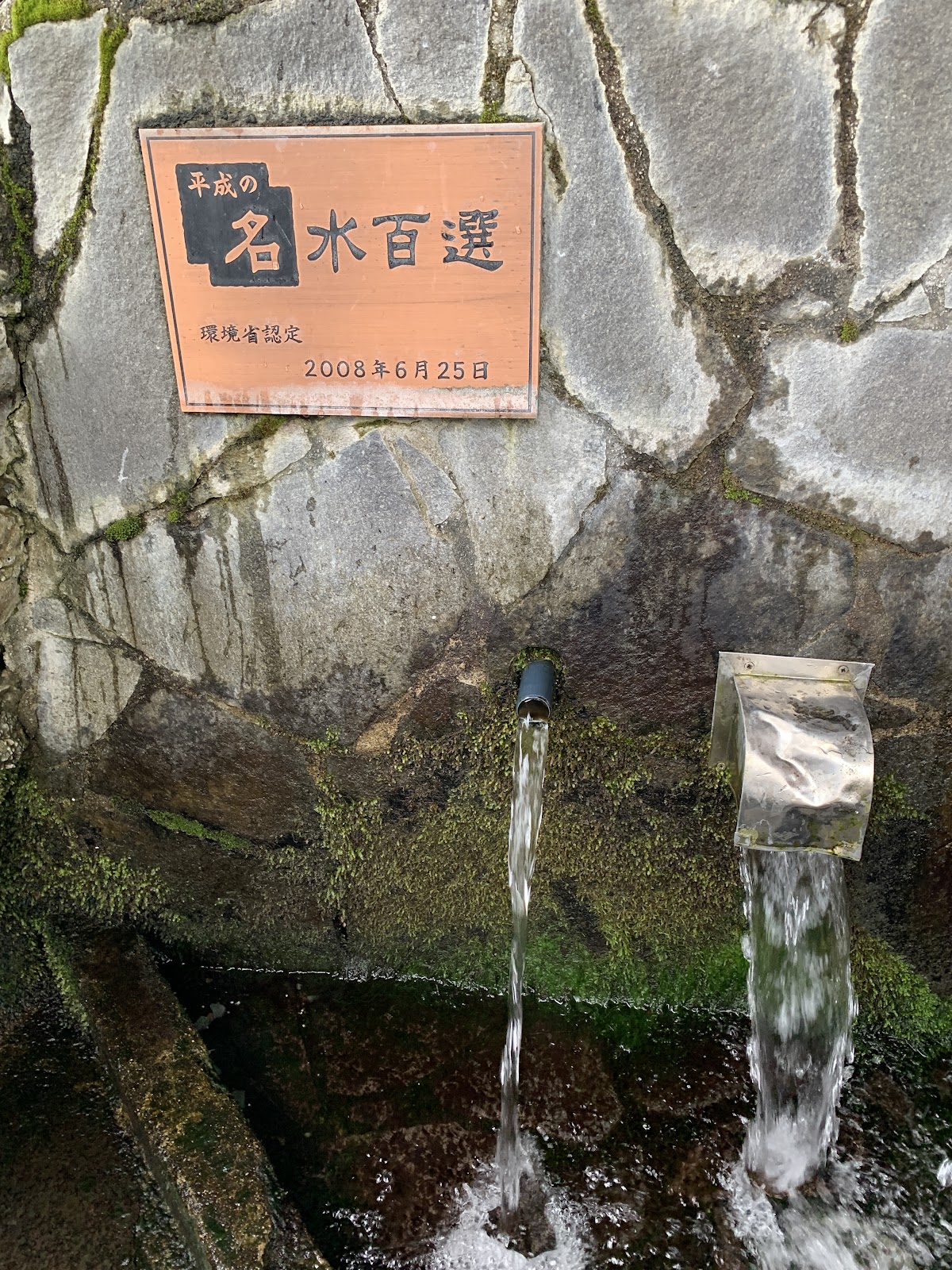
Kanaya’s Kanro Sui is one of 35 certified waters that meet these strict standards, and is highly evaluated on both the quality of water and historical value. In the certification process, water quality testing, the actual state of conservation activities by the community, and historical and cultural background were comprehensively reviewed.
History and Origin of Kanro Sui
The Relationship Between Kosho-ji Temple and the Asakura Clan
The location where Kanro Sui springs forth is the site of a former temple called “Kosho-ji.” Kosho-ji was an important temple that flourished as the clan temple of the Asakura clan, who ruled Echizen Province (present-day Fukui Prefecture) during the Sengoku period.
The Asakura clan was a daimyo that governed Echizen with Ichijodani as their base, boasting a high level of culture. Kosho-ji developed as the Asakura clan’s family temple, flourishing alongside the clan’s prosperity. The temple was home to many monks, where training and prayers are believed to have been performed.
The Origin of the Name “Kanro Sui”
There is an interesting legend regarding how this spring water came to be called “Kanro Sui.”
“Kanro” (甘露) is a Buddhist term meaning “sweet dew falling from heaven,” and refers to a mystical liquid said to be an elixir of immortality. The legend says that this spring water was so delicious that even people whose sense of taste had changed due to illness would taste it and happily say “it’s sweet water,” and from this the name “Kanro Sui” was given.
For the people of that time, water that tasted delicious even when sick seemed to be a blessing from heaven and the very kanro mentioned in Buddhist teachings.
Medicinal Properties Legends and Faith
There are also surviving legends of medicinal properties associated with Kanro Sui, beyond simply being delicious.
It is said that Yakushi Nyorai (the Medicine Buddha) was enshrined within the grounds of Kosho-ji Temple, and people would draw this spring water to offer to the Yakushi Nyorai and pray. Then, stories were passed down of how people would wash painful areas with that water or boil medicinal herbs and drink them, resulting in recovery from illness.
Because of this, people came to draw water year-round, with many visitors coming from distant places. As an object of faith for people praying for recovery from illness, Kanro Sui became known beyond the local region.
Spring Water Continuing to the Present Day
Although Kosho-ji Temple was lost due to warfare during the Sengoku period, Kanro Sui springing from the temple grounds continues to flow unchanged even now, centuries later. Having overcome the turbulent tides of history—the fall of the Asakura clan and the loss of the temple—it continues to provide clear water today.
This fact testifies to the richness and stability of underground water veins, as well as to how the natural environment of this land has been preserved over long years.
Water Quality and Characteristics of Kanro Sui
Water Quality Characteristics
Kanro Sui is high-quality spring water meeting Fukui Prefecture’s certification standards. It meets the water quality standards for direct consumption, and regular water quality testing is conducted.
Fukui Prefecture is often expressed by the phrase “Etsuzan Jakusui (越山若水),” meaning it has been blessed since ancient times with verdant mountains and clear water. Kanaya’s spring water is one of the blessings born from this rich natural environment.
Taste Characteristics
The greatest characteristic of Kanro Sui is its delicious taste that feels “sweet,” as its name suggests. This is not because sugar is contained, but rather that the mineral balance is good and there is no unpleasant aftertaste, allowing one to perceive the natural sweetness of the water itself.
It is reputed to have a smooth mouthfeel and excellent throat feel. The cold, clear water is especially delicious during summer months.
Water Temperature and Flow Rate
The temperature of the spring water remains nearly constant throughout the year, feeling cold in summer and relatively warm in winter. This is a characteristic of groundwater, as underground temperature is not greatly affected by outside air temperature.
The flow rate varies somewhat with the season and rainfall, but as the saying goes “no matter how much it rains, the spring water never runs dry,” it continues to flow stably.
Geological Background
The area around Fukui City is blessed with abundant underground water due to heavy precipitation on the Japan Sea side and geography extending from mountains to plains. The geology around Kanaya Town is also composed of layers that allow water to pass through easily and have natural filtration functions, creating the conditions for clean spring water production.
Seepage water from the Kuzu River water system flows underground and is filtered over long years by layers of rock, becoming mineral-rich and clear water that springs forth at the surface.
Access Methods and Parking Information
Location and Basic Access
Address: Kanaya Town, Fukui City, Fukui Prefecture
Kanaya Spring Water is located relatively close to Fukui City’s downtown area, but being situated within a residential district, first-time visitors may find it somewhat difficult to locate.
Access by Car
From JR Fukui Station: About 15 minutes by car
From Fukui IC on the Hokuriku Expressway: About 20 minutes by car
From Fukui City’s center, head toward National Route 416, then enter the residential area of Kanaya Town. Setting your car navigation to “Kanaya Town, Fukui City” and looking for signs as you approach the area is recommended.
Parking
There is no dedicated parking lot, but there is some space near the spring water. However, since the surrounding area is a residential district, on-street parking should be avoided and care should be taken not to inconvenience nearby residents.
For visits with multiple vehicles or extended stays, use of public transportation is recommended.
Access by Public Transportation
Bus: From JR Fukui Station, use Fukui City Community Bus “Sumeru”
- Get off at “Kanaya” bus stop, approximately 5 minutes on foot
Since bus service is limited, it is recommended to check the schedule before visiting. Bus operation information for Fukui City is available on the city’s official website.
Points to Note When Visiting
- Be aware of the residential area: The surrounding area is a quiet residential district. Keep conversations quiet and do not litter, maintaining proper manners.
- Bring a water collection container: If you wish to take water home, bring a clean container.
- Watch for slippery surfaces: The area around the spring water is wet and may be slippery. Special caution is needed in rainy weather or winter.
- Visiting hours: Visiting at early morning or nighttime may inconvenience nearby residents, so daytime visits are recommended.
Conservation Activities by Local Residents
History of Maintenance
Kanaya’s Kanro Sui has been carefully protected by local residents. In connection with receiving “Fukui’s Delicious Water” certification, community residents took the lead in maintenance activities such as stone work improvements and sign installation.
These maintenance activities are not simply meant to make the spring water more convenient to use, but rather stem from a strong desire to pass this historically significant spring water to future generations.
Daily Management
Local residents also conduct daily management such as cleaning and grass cutting around the spring water. Though volunteer-based, their dedicated efforts maintain an environment where visitors can use the water comfortably.
Requests for Visitors
When visiting Kanro Sui, which is being conserved through the efforts of local people, please be mindful of the following points:
- Always take litter home
- Do not pollute the area around the spring water
- Do not draw large amounts of water at once (consideration for other users)
- Do not damage surrounding plants or stone work
- Do not make noise
By following these manners, this precious spring water can be preserved for the future.
Nearby Tourism Spots
Visiting the spring water sites nearby when coming to Kanaya Spring Water allows for deeper understanding of Fukui’s history and culture.
Ichijodani Asakura Clan Ruins
Distance: About 20 minutes by car from Kanaya Spring Water
The site of the Asakura clan’s headquarters, which has a deep connection to Kanro Sui. A Sengoku-period castle town is preserved in good condition and designated as a Special Historic Site. Walking through the restored samurai residences and townscape allows one to feel firsthand the prosperity of the Asakura clan and the era when Kosho-ji Temple existed.
In 2024, the Ichijodani Asakura Clan Ruins Museum also opened, offering exhibits based on the latest research findings.
Fukui Castle Ruins
Distance: About 10 minutes by car from Kanaya Spring Water
The site of Fukui Castle, which was the center of the Fukui domain during the Edo period. The Fukui Prefectural Government building now stands here, but moats and stone walls remain, allowing one to feel history. It is also known as a famous cherry blossom viewing spot, attracting many hanami visitors in spring.
Youyoukan Garden
Distance: About 12 minutes by car from Kanaya Spring Water
A garden that was the retreat of the Matsudaira family, feudal lords of Fukui domain, designated as a nationally designated beauty spot. The beautiful pond-style walking garden allows enjoyment of scenery throughout the seasons. The garden beauty utilizing clear water symbolizes Fukui’s rich water environment.
Asuwayama Park
Distance: About 15 minutes by car from Kanaya Spring Water
Asuwayama, a symbolic presence in Fukui City, has approximately 3,500 cherry trees planted and has been selected as one of “Japan’s Top 100 Cherry Blossom Viewing Spots.” The mountain summit offers a panoramic view of Fukui City, and on clear days, the Hakusan mountain range is visible.
Other “Fukui’s Delicious Water” Spots
Throughout Fukui Prefecture, there are many other “Fukui’s Delicious Water” certified spots besides Kanro Sui. Enjoying a tour of famous waters is a highlight of Fukui sightseeing:
- Oshomizu (お清水) (Ono City): Also selected as one of the Environment Ministry’s “Top 100 Famous Waters”
- Uriware Falls (瓜割の滝) (Wakasa Town): Spring water with the legend of melons splitting from its coldness
- Uneki Water (雲城水) (Ono City): Water springing from the base of Ono Castle
By visiting these famous water spots, one can experience the rich water culture of Fukui Prefecture as a whole.
Manners and Tips for Drawing Water
Items to Bring
If you wish to draw water from Kanro Sui to take home, prepare the following:
- Clean container: A plastic bottle or dedicated water tank that has been pre-washed
- Towel: For when water spills
- Plastic bag: For placing wet containers
- Trash bag: Always take your own garbage home
Water Drawing Procedure
- Confirm the surrounding situation and wait your turn if there are other users
- Bring your container near the spring outlet and slowly draw water
- Wipe up any spilled water
- Clean up the area for the next person before leaving
Water Storage Method
Store drawn water in the refrigerator as soon as possible and use within a few days. Natural spring water is not chlorinated, so it is not suitable for long-term storage.
If concerned, boiling the water before use is recommended for peace of mind.
Kanro Sui Through the Seasons
Spring (March–May)
Spring is the season of new green, when surrounding trees begin to bud. Snow melt increases the flow rate, and water pressure becomes strong during this period. As temperatures rise, it becomes an easier season to visit.
Summer (June–August)
Summer is when the coldness of Kanro Sui stands out most. Cold spring water drunk on hot days is exceptional, and many people come to draw water. However, since daytime temperatures are high, do not forget heat stroke prevention measures.
Autumn (September–November)
Autumn is an ideal season for visiting with mild weather. Surrounding trees begin to change color, allowing one to enjoy the spring water in a calm atmosphere. With clear air, the water’s transparency stands out even more.
Winter (December–February)
Winter is a season with fewer visitors, when one can enjoy the spring water quietly. Snow may accumulate, but the spring water continues to flow without freezing. Drinking spring water in the cold winter air creates a sensation of being purified from the core of one’s body.
However, since road surfaces may be iced over, exercise sufficient caution when visiting.
Fukui Prefecture’s Water Culture and the Position of Kanro Sui
The Spirit of “Etsuzan Jakusui”
Fukui Prefecture has long been expressed by the phrase “Etsuzan Jakusui (越山若水).” This means “In the land of Etsu (Echizen), there are verdant mountains and youthful, clear water,” succinctly expressing Fukui Prefecture’s natural environment.
Kanro Sui is precisely one representative of this “youthful water” and is an important component of Fukui Prefecture’s water culture.
Water Culture Rooted in Daily Life
In Fukui Prefecture, spring water and well water continue to be used as household water in many areas. Even in this modern era of urbanization, the culture of valuing natural gifts of water is being passed down.
Kanaya’s Kanro Sui continues to be used not only as a tourist destination but as an existence closely connected to the daily life of local residents.
Efforts to Protect Water
Through the “Fukui’s Delicious Water” certification system, Fukui Prefecture advances conservation efforts for valuable spring water throughout the prefecture. Beyond simply managing water quality, the prefecture supports conservation activities by local residents and makes efforts to pass water culture to future generations.
The conservation of Kanro Sui is positioned as part of these prefecture-wide initiatives, a precious resource protected through cooperation between the administration and local residents.
Visitor Voices and Reputation
Voices from Local People
“Since childhood, I have come to draw this water. I used to come with my grandparents. Now I bring my own children. Seeing the water continue to spring unchanged gives me peace of mind.” (50s, local resident)
“Thinking that this water has been flowing since the time of the Asakura clan, I feel the romance of history. I believe protecting this water is our mission.” (60s, conservation activity participant)
Voices from Tourists
“While touring famous waters during a Fukui trip, I visited here. At first I had difficulty finding it nestled in a residential area, but when I actually tasted the water, I was amazed at how delicious it was.” (30s, tourist from outside the prefecture)
“I stopped by after viewing the Ichijodani Asakura Clan Ruins. Knowing it was water connected to the Asakura clan, I felt the weight of history. I was also impressed by how the local people maintain this place.” (40s, history enthusiast)
Conclusion: A Treasure of Fukui Where History and Nature Intertwine
Kanaya Spring Water (Kanro Sui) is a precious natural heritage of Fukui Prefecture, flowing continuously for several centuries from the Sengoku period to the present day. With its historical background as the temple grounds of Kosho-ji, the clan temple of the Asakura clan of Echizen, it is loved by many as high-quality spring water certified by Fukui Prefecture as “Fukui’s Delicious Water.”
As the word “kanro” in its name suggests—meaning dew that even the sick could drink deliciously—this legend speaks to the high quality of the water. The medicinal legend connected to faith in the Medicine Buddha shows how much the people of that time valued this spring water.
In the present day, Kanro Sui is maintained in a clean and easy-to-use condition through the dedicated conservation activities of local residents. Visitors must pay respect to these efforts and use the water responsibly while observing proper manners.
Though easily accessible from central Fukui City, Kanaya’s Kanro Sui, where one can feel history and nature amid a quiet residential district, can be said to be a hidden gem of Fukui sightseeing. Visiting alongside surrounding tourism spots such as the Ichijodani Asakura Clan Ruins allows for deeper understanding of the history and culture of Sengoku-period Fukui.
Kanaya Spring Water (Kanro Sui) embodies the spirit of “Etsuzan Jakusui.” The clear water that continues to spring forth across centuries symbolizes the bond between Fukui’s people and nature that extends from past to present to future. When visiting Fukui, be sure to touch this historic famous water and taste its blessings.
Water that has continued to flow for centuries will surely teach us the greatness of nature and the importance of preserving it.