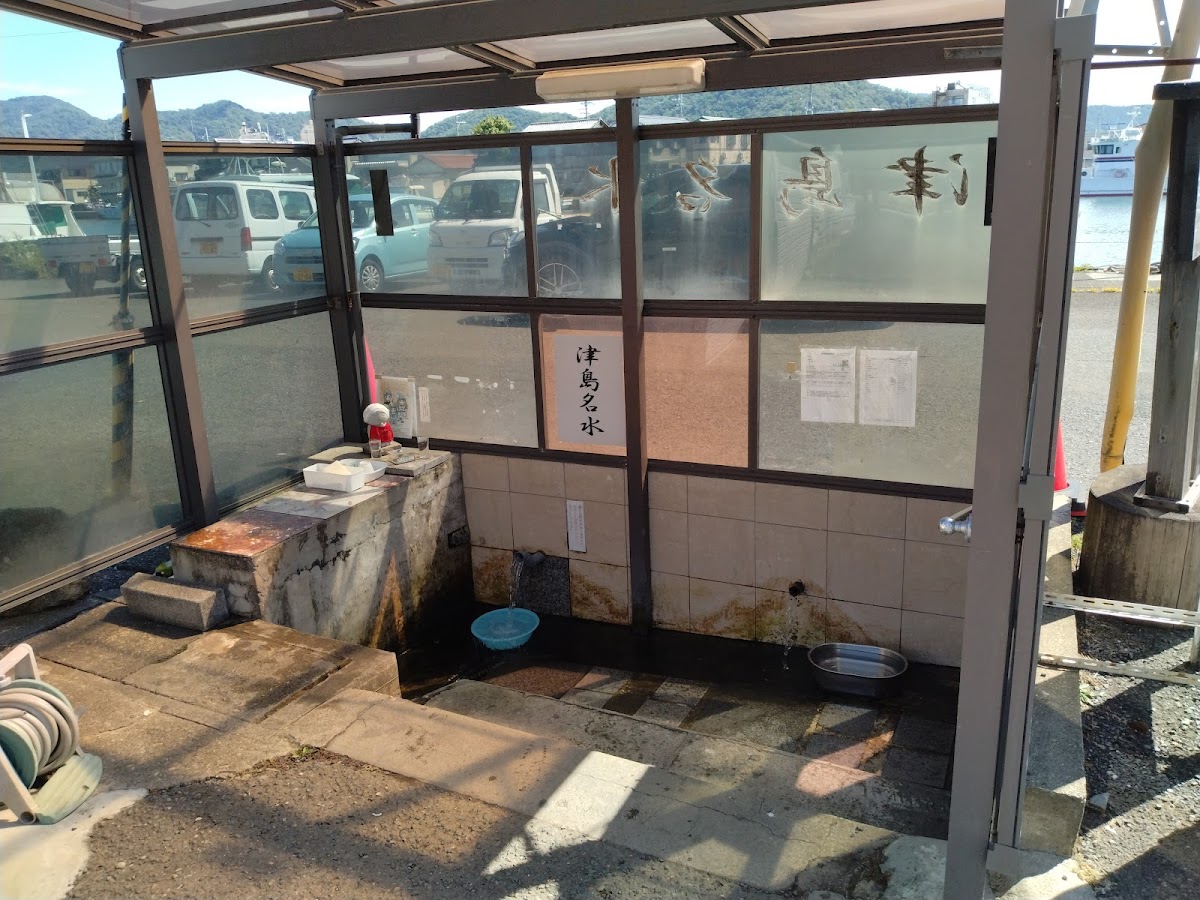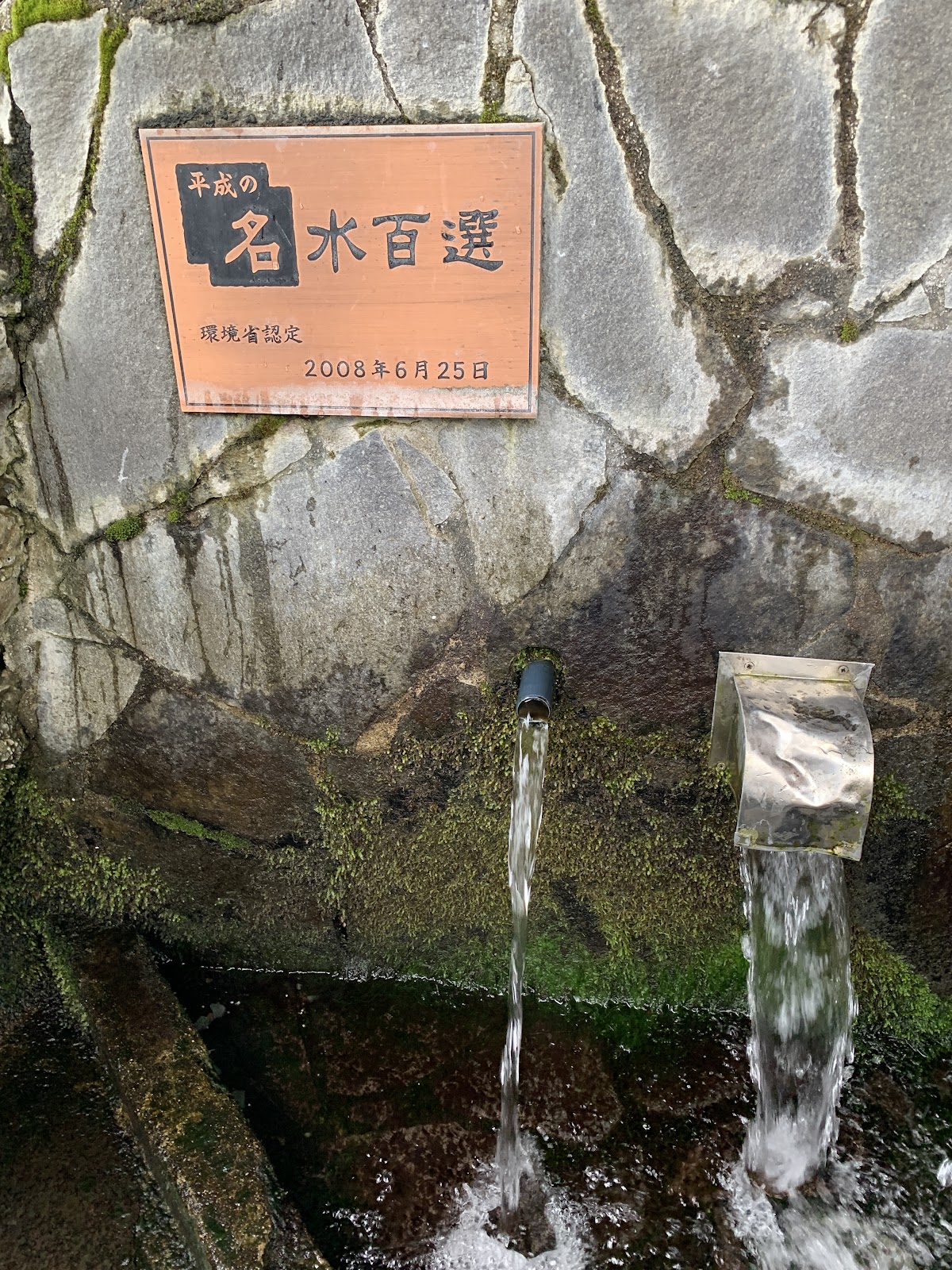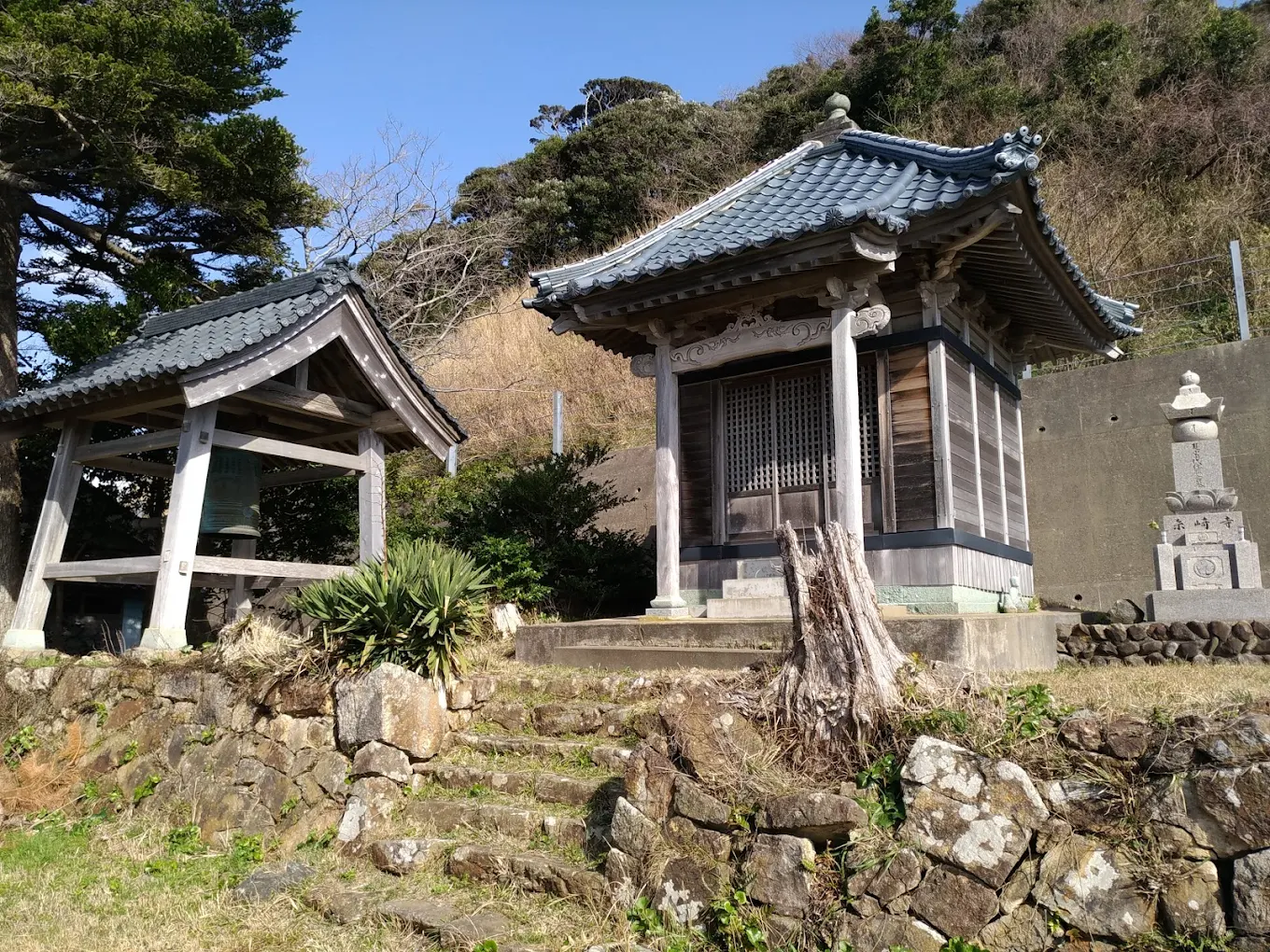
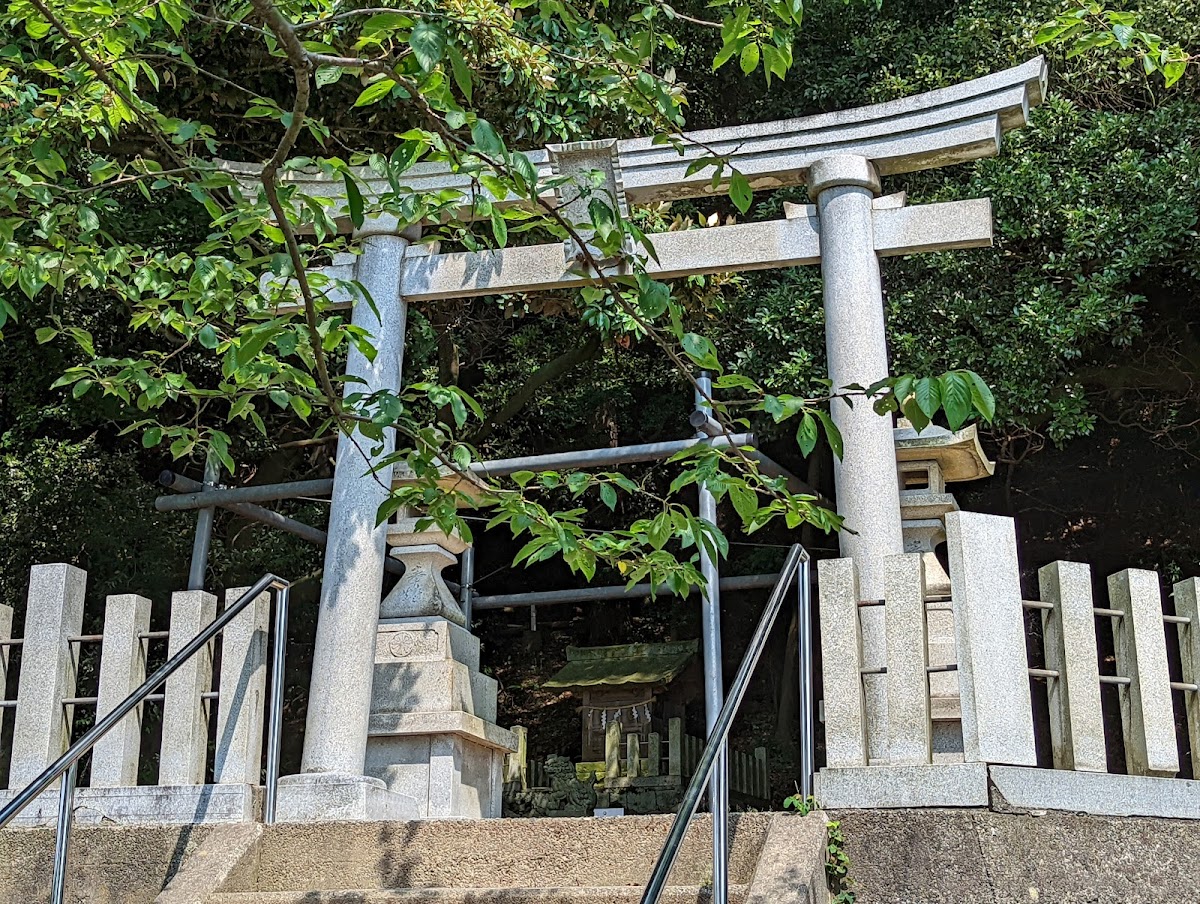
Spring at Suibun Shrine Grounds (Fukui Prefecture) | The Charm and History of Clear Spring Water Selected for Japan’s Top 100 Waters
The spring at Suibun Shrine grounds in Ono City, Fukui Prefecture, is a celebrated water source that has been cherished by local residents since ancient times. Selected in 1985 (Showa 60) as one of the Environment Ministry’s “Top 100 Waters in Japan,” this spring continues to enchant many people as a symbol of Echizen Ono’s rich water culture.
This article provides detailed information about the historical background of the spring at Suibun Shrine grounds, characteristics of its water quality, access methods, surrounding tourist attractions, and Ono City’s water culture.
About the Spring at Suibun Shrine Grounds
The spring at Suibun Shrine grounds is clear water that wells up within Suibun Shrine located in Katayama-cho, Ono City, Fukui Prefecture. This spring is formed by groundwater from the Ono Basin, maintaining a stable water temperature of approximately 12 degrees Celsius year-round. It has the characteristic of feeling cold in summer and warm in winter.
Value as a Top 100 Water
The “Top 100 Waters in Japan” selected by the Environment Ministry in 1985 aims to preserve excellent water environments throughout the nation and pass them on to future generations. The spring at Suibun Shrine grounds was evaluated for its excellent water quality and historical and cultural value in the region, becoming the only Top 100 Water selection in Fukui Prefecture.
Water quality tests confirm that it is soft water with low hardness, mellow taste, and easy drinkability. Additionally, it boasts superior quality as drinking water with a good mineral balance.
History and Origins of Suibun Shrine
Suibun Shrine (水分神社, Mikumari Jinja) has long been a place of worship as a shrine dedicated to the god of water. The term “mikumari” means “water distribution,” and the shrine has been revered historically as a god overseeing the distribution of agricultural water.
Background of Establishment
There are various theories about when Suibun Shrine was founded, but documents confirm its existence at least before the Edo period. During the Ono clan era, it was deeply venerated by the clan lords and residents as a god of water, and it is said that prayers for rain were offered during times of drought.
Within the shrine grounds stand large cedar trees considered sacred trees (goshinboku), emanating an air of sacredness. These sacred trees are said to be several hundred years old, representing a long history.
Enshrined Deity and Worship
The enshrined deity of Suibun Shrine is Mikumari no Kami, the god who governs the distribution of water. In the agriculturally active Ono region, water was a source of life and a critical element determining harvests. Consequently, Suibun Shrine received especially deep devotion from local farmers.
Today, regular festivals are held in spring and autumn, continuing the tradition of local residents expressing gratitude for the blessings of water.
Water Quality and Characteristics of the Spring at Suibun Shrine Grounds
Mechanism of Spring Water
The Ono Basin is a basin landform surrounded by mountains. This unique topography creates a distinctive water circulation system that forms abundant groundwater.
Large amounts of snow falling in winter melt in spring, and water seeping into mountainous areas flows underground over many years, filtered through rock layers. Through this process, impurities are removed and an appropriate amount of minerals dissolve, resulting in high-quality water that wells up at various locations in the basin. The spring at Suibun Shrine grounds is clear water that has undergone this natural purification process.
Water Quality Characteristics
The water quality of the spring at Suibun Shrine grounds has the following characteristics:
- Water Temperature: Stable year-round at approximately 12 degrees Celsius
- Hardness: Soft water at approximately 30–40 mg/L
- pH Value: Slightly alkaline (approximately pH 7.0–7.5)
- Minerals: Contains balanced amounts of calcium, magnesium, potassium, and others
Being soft water, it is mellow and easy to drink, making it suitable for brewing Japanese tea or coffee. When used in cooking, it enhances the natural flavors of ingredients.
Spring Water Volume and Water Source Conservation
The spring water volume at Suibun Shrine grounds fluctuates seasonally but maintains a stable water volume year-round. This is evidence of the abundant groundwater system throughout the Ono Basin.
Ono City has enacted ordinances concerning water source conservation forests and appropriate groundwater use to protect this precious water resource and promote sustainable water utilization.
Water Culture of Ono City and “Echizen Ono”
Ono City as a “Land of Water”
Ono City is known as a “land of water,” with springs and clear streams existing throughout the city. Besides the spring at Suibun Shrine grounds, there are many celebrated water spots such as “Oshiozu” and “Hongan Shimizu,” which are deeply rooted in citizens’ lives.
In the central part of Ono City, where the streetscape of an Edo-period castle town remains, springs can still be seen in various locations, and one can witness local residents using them daily.
Industries and Culture Utilizing Water
The clear water of Ono City has nurtured various industries and culture:
Agriculture: With abundant water, high-quality rice farming is practiced. Ono-produced Koshihikari rice is highly evaluated for its deliciousness.
Sake Brewing: Sake production using pristine water is thriving, with several breweries in the city. Ono’s local sake is characterized by a mellow taste utilizing the properties of soft water.
Tofu Manufacturing: Ono City is also known as “the town of tofu.” Tofu made with high-quality water and soybeans is popular for its fine texture and smooth mouthfeel.
Soy Sauce and Miso: Traditional brewing is also active, with water quality enhancing fermented food products.
Gratitude for Water and Conservation Activities
Ono City residents have expressed gratitude for water’s blessings and worked toward its conservation. In the community, regular cleaning activities and water quality surveys are conducted, with ongoing efforts to pass clean water on to future generations.
The city has enacted the “Ono City Groundwater Conservation Ordinance” to ensure appropriate use and conservation of groundwater. Additionally, as a “Return Favor to Water” initiative, the city promotes water source forest maintenance and environmental education with community participation.
Access to the Spring at Suibun Shrine Grounds
Location
- Address: Katayama-cho, Ono City, Fukui Prefecture
- Facility Name: Suibun Shrine
Access by Public Transportation
By JR:
- Get off at “Echizen Ono Station” on the JR Etsu-Kita Line
- Approximately 15–20 minutes on foot from the station
- Or approximately 5 minutes by taxi
By Bus:
- City loop buses operate from in front of Echizen Ono Station (since service is limited, checking the timetable in advance is recommended)
Access by Automobile
From Fukui City:
- Approximately 30 km east on National Route 158, approximately 40 minutes travel time
From Kanazawa:
- Approximately 50 minutes from “Fukui IC” on the Hokuriku Expressway via National Route 158
From Nagoya:
- Approximately 40 minutes from “Shiratori IC” on the Tokai-Hokuriku Expressway via National Route 158
Parking Information
There is no dedicated parking at the shrine, but nearby public parking lots can be used. Several free parking lots are available in the center of Ono City, from which visitors can walk to the shrine.
Tourist season and weekends may be crowded, so it is recommended to allow extra time for your visit.
Precautions and Etiquette During Visits
Worship Etiquette
Suibun Shrine is a sacred place. Please observe the following etiquette when visiting:
- When Passing Through the Torii Gate: Bow respectfully before entering the grounds
- Hand and Mouth Cleansing Ritual: Cleanse your hands and mouth at the water basin before worship
- Worship Procedure: The basic form is two bows, two claps, and one bow
- Maintain Silence: Avoid loud talking or noise
Notes When Using the Spring Water
When drawing water from the spring, please note the following:
- Container Cleanliness: Use a clean container
- Taking Turns: Share the water with other users
- Maintain Cleanliness: Avoid wetting the surrounding area after drinking or drawing water
- Judgment on Drinking: While spring water is regularly tested, judge whether to drink it at your own discretion
- Avoid Large Quantities: Draw only what you need and refrain from excessive collection
Photography
Photography within the shrine grounds is permitted, but please be considerate of the following:
- Do not interfere with other worshippers
- Refrain from photographing inside the main hall (exterior only)
- Obtain permission in advance for commercial use
Surrounding Tourist Attractions
When visiting the spring at Suibun Shrine grounds, it is recommended to also tour nearby attractions.
Echizen Ono Castle
Echizen Ono Castle, a symbol of Ono City, is a flathill castle built on Kameyama at an elevation of 249 meters. From the castle keep, one can see a panoramic view of the Ono Basin, and from autumn through spring, at early dawn, the “Castle in the Sky” emerges mystically from the sea of clouds.
- Travel Time: Approximately 20 minutes on foot from Suibun Shrine
- Opening Hours: 9:00 AM–5:00 PM (varies by season)
- Closed: December–March
Shichiken Street
Shichiken Street retains vestiges of an Edo-period castle town, with ancient merchant houses lining a stone-paved street. Springs utilizing spring water dot the street, allowing visitors to experience the charm of Ono, the city of water.
- Travel Time: Approximately 10 minutes on foot from Suibun Shrine
- Highlights: Samurai residences, longstanding shops, spring water spots
Oshiozu (御清水)
One of the most famous spring water spots in Ono City, it is daily-use water regularly utilized by local residents. The water site divided into four sections is designated from upper to lower stream for drinking water, vegetable washing, general washing, and laundry, respectively—the culture of valuing water lives on here.
- Travel Time: Approximately 15 minutes on foot from Suibun Shrine
- Feature: Can observe practical examples of water usage
Temple Town Street
Temple Town Street, lined with 16 temples, is a quiet and peaceful walking route. Each temple features beautiful gardens and historic structures, allowing visitors to feel history while strolling leisurely.
- Travel Time: Approximately 15 minutes on foot from Suibun Shrine
- Highlights: Temple gardens, historic structures
Roadside Station “Echizen Ono Arashima no Sato”
A roadside station where you can purchase Ono City specialty products and fresh agricultural products. Local specialties including Ono-produced Koshihikari, local sake, and tofu are available. The restaurant serves dishes prepared with local ingredients.
- Travel Time: Approximately 10 minutes by car from Suibun Shrine
- Business Hours: 9:00 AM–6:00 PM (varies by season)
Seasonal Charms
The spring at Suibun Shrine grounds displays different beauty throughout the four seasons.
Spring (March–May)
As the snow-melting season arrives, trees within the shrine grounds begin to bud. Spring water volume increases, and the clear sound of water flows pleasantly. During cherry blossom season, beautiful scenery can be enjoyed with the surrounding cherry blossoms.
Summer (June–August)
The lush green shrine grounds provide a cool atmosphere, with cold spring water offering relief from heat. Summer in Ono City is relatively cool, making it popular as a summer retreat. One can spend quiet time listening to the sound of clear streams.
Autumn (September–November)
During autumn foliage season, trees within the shrine grounds change color, displaying beautiful fall scenery. The contrast between the clear water and autumn leaves is striking in the crisp air. This season attracts many tourists.
Winter (December–February)
The snow-covered shrine grounds are wrapped in silence, with the sacred atmosphere intensifying. Even in winter, spring water continues flowing without freezing, with warm-feeling water welling up. The spring water against a snowy backdrop creates fantastical beauty.
Local Specialties Using Ono City’s Water
Local Sake
Several breweries in Ono City produce sake using clear water. Representative brands include “Manazuru” and “Hanagaki,” characterized by mellow and delicate flavors utilizing the properties of soft water.
Ono Tofu
Known as “the town of tofu,” Ono City produces tofu using high-quality water and soybeans. “Katai tofu” (firm tofu), with less water content and longer shelf life, was once prized as preserved food. Still made using traditional methods today, it offers rich soybean flavor.
Ono Rice
Abundant water and significant temperature differences between day and night allow delicious rice to grow in Ono City. “Ono-produced Koshihikari,” in particular, is highly evaluated for its good balance of stickiness and sweetness.
Soy Sauce and Miso
Soy sauce and miso produced using traditional brewing methods are also specialties blessed by Ono’s water. Long-aged miso has deep umami and rich flavor.
Efforts to Protect the Spring at Suibun Shrine Grounds
Community Conservation Activities
Regular cleaning activities by local residents are conducted, maintaining the beauty of the shrine grounds and surrounding spring areas. Environmental maintenance to preserve water quality is also continuously implemented.
Administrative Efforts
Based on the groundwater conservation ordinance, Ono City promotes appropriate use and conservation of groundwater. Specifically:
- Groundwater extraction notification system
- Water source conservation forest maintenance
- Water quality monitoring implementation
- Environmental education promotion
Through these efforts, the city aims to pass clean water on to future generations.
Requests to Visitors
Cooperation from visitors is requested to protect this precious water resource:
- Always take trash with you
- Do not pollute the water
- Refrain from excessive water collection
- Cherish the surrounding environment
Conclusion
The spring at Suibun Shrine grounds is one of Fukui Prefecture’s celebrated Top 100 Waters and a symbol of Ono City’s long history and rich water culture. Clear spring water has supported the lives of local residents, nurturing various industries and culture.
When visiting Echizen Ono, please stop by the spring at Suibun Shrine grounds, listen to the sound of clear water, and spend time giving thanks for water’s blessings. Combined with touring nearby attractions, you can develop a deeper understanding of Ono City’s charm.
The spring at Suibun Shrine grounds, displaying seasonal beauty, is a special place that offers new discoveries and healing with each visit. Please enjoy a journey that touches the heart of Echizen Ono, the city of water.