Hakusan Marsh (Aizu-Wakamatsu City, Fukushima Prefecture) Complete Guide – Natural Monument and Highlights of the Stickleback Habitat
Hakusan Marsh, located in Kitaaizu Town, Aizu-Wakamatsu City, Fukushima Prefecture, is known as a habitat for “Itoyо (landlocked type),” a rare fish that inhabits only limited regions within Japan. This precious natural environment is designated as a Natural Monument of Fukushima Prefecture and is one of the natural spots worth visiting when exploring the Aizu area.
This article comprehensively explains the characteristics of Hakusan Marsh, the ecology of the sticklebacks that inhabit it, access methods, viewing information, and surrounding tourist spots—everything you should know before visiting Hakusan Marsh.
Hakusan Marsh – Basic Information
Hakusan Marsh is a small marsh located at Nakasatомae, Shimogasai, Kitaaizu Town, Aizu-Wakamatsu City. The most distinctive feature of this marsh is its abundance of cold, clear spring water, an environment that enables the habitation of rare fish species.
Location and Basic Data
- Address: Nakasatomae, Shimogasai, Kitaaizu Town, Aizu-Wakamatsu City, Fukushima Prefecture
- Designation: Fukushima Prefecture Natural Monument
- Reason for Designation: Habitat of Itoyо (landlocked type)
- Viewing: Open to the public; viewable at any time
- Admission: Free
- Parking: Available (Hakusan Marsh Park)
Hakusan Marsh maintains its natural state, and the surrounding area is developed as a park, making it an ideal environment for nature observation and walking trails.
Itoyо (Landlocked Type) – The Star of Hakusan Marsh
The primary reason Hakusan Marsh was designated as a Natural Monument is that it is a habitat for the rare fish “Itoyо.” Itoyо inhabits only extremely limited locations within Japan, making it a precious fish species.
Characteristics of Itoyо
Itoyо (scientific name: Gasterosteus aculeatus) is a small freshwater fish belonging to the Gasterosteidae family. The type inhabiting Hakusan Marsh is called the “landlocked type,” which has adapted to freshwater, and possesses the following characteristics.
Physical Features
- Body length: Approximately 5-8 centimeters
- Most distinctive feature: Three large spines on the back
- Local name: Called “togecho” and similar names
- Body color: Silver-white, with males displaying vivid red coloring during breeding season
The three spines on the back of Itoyо are defensive organs that protect them from predators. Because of these distinctive spines, they are affectionately called “togecho” locally.
Ecology and Habits of Itoyо
Itoyо prefer cold, clean water and are extremely sensitive to water temperature and quality. An environment like Hakusan Marsh, with abundant spring water and temperatures kept low, is essential for Itoyо habitation.
Conditions of Habitation Environment
- Water temperature: Low year-round (ideally below 15°C)
- Water quality: Clear and rich in oxygen
- Aquatic plants: Necessary for spawning and nest-building
- Water flow: Locations with gentle currents
Characteristics of Reproductive Behavior
One of the most interesting features of Itoyо is its unique reproductive behavior.
Nest-building behavior
During the breeding season, male Itoyо use water plants and plant fibers to construct intricate nests. This nest-building behavior is extremely rare among fish and proceeds as follows:
- Male selects an appropriate location
- Gathers materials such as aquatic plants
- Constructs a spherical nest while fixing materials with mucus
- Creates a tunnel-shaped entrance to the nest
Spawning and child-rearing
Itoyо are unusual among fish in that males engage in child-rearing.
- When the male completes the nest, it changes body color to vivid red
- Lures females to the nest to spawn
- Collects eggs from multiple females (hundreds of eggs in a single nest)
- The male guards the eggs and continuously supplies fresh water
- The male continues to protect the larvae for some time after hatching
This child-rearing behavior is an important subject for research in fish behavioral studies and is famous from research by Nobel Prize winner Niko Tinbergen.
Why Itoyо Can Inhabit Hakusan Marsh
Itoyо can inhabit Hakusan Marsh because the following conditions are met:
- Abundant spring water: Water temperature remains stable year-round and stays cool
- Clear water quality: Water uncontaminated and pure
- Appropriate aquatic plants: Water plants necessary for spawning and nest-building thrive
- Protected environment: Environment is preserved through Natural Monument designation
Regarding Hakusan Marsh’s Natural Monument Designation
Hakusan Marsh is designated as a Natural Monument of Fukushima Prefecture, and this designation plays an important role in protecting the habitat of Itoyо.
Significance of Natural Monument Designation
The designation as a Natural Monument implements the following protective measures:
- Prevention of water pollution
- Preservation of habitation environment
- Regulation of indiscriminate development
- Promotion of academic research
- Educational use
Rarity of Itoyо Habitats from a National Perspective
The landlocked type of Itoyо inhabits only the following limited regions within Japan:
- Fukushima Prefecture (such as Hakusan Marsh)
- Iwate Prefecture
- Aomori Prefecture
- Akita Prefecture
- Niigata Prefecture
In the past, they inhabited a wider range, but habitats have diminished due to environmental changes, increasing the importance of protected habitats like Hakusan Marsh.
How to Access Hakusan Marsh
Here are detailed explanations of how to access Hakusan Marsh by different modes of transportation.
Access by Public Transportation
When using trains and buses
- To JR Banetsu-West Line “Aizu-Wakamatsu Station”
- From Tokyo area: Transfer at “Koriyama Station”
- From Niigata area: Direct service or via “Kitakata Station”
- From Aizu-Wakamatsu Station by bus
- Board Aizu Bus heading to “Kitaaizu area”
- Travel time: Approximately 35 minutes
- Get off at “Hakusan Marsh Park” bus stop
- Walk from bus stop (1-2 minute walk)
Bus Service Information
- Service frequency: Several runs daily (varies by time of day)
- Fare: Approximately 500-600 yen from Aizu-Wakamatsu Station
- Note: Since the number of runs is limited, it is recommended to confirm the timetable in advance
Access by Automobile
Travel time from major cities
- From Tokyo area: Approximately 3.5-4 hours
- Via “Koriyama JCT” on the Tohoku Expressway
- Exit at “Aizu-Wakamatsu IC” on the Banetsu Expressway
- Approximately 15 minutes by local road
- From Niigata area: Approximately 2 hours
- Exit at “Aizu-Wakamatsu IC” on the Banetsu Expressway
- Approximately 15 minutes by local road
- From Sendai area: Approximately 2.5 hours
- Via Tohoku Expressway and Banetsu Expressway
Car navigation settings
- Address: Nakasatomae, Shimogasai, Kitaaizu Town, Aizu-Wakamatsu City, Fukushima Prefecture
- Facility name: Hakusan Marsh Park
Parking information
- Parking: Available (free)
- Number of parking spaces: Several for regular vehicles
- Large buses: Confirm in advance
Recommendation for Car Rental
For efficient sightseeing in the Aizu area, renting a car is convenient. There are multiple car rental companies around Aizu-Wakamatsu Station, allowing you to visit not only Hakusan Marsh but also other surrounding tourist spots.
Viewing Guide for Hakusan Marsh
Introduction to viewing points and precautions when visiting Hakusan Marsh.
Best Season for Viewing
Hakusan Marsh is open for viewing year-round, but each season offers different attractions.
Spring (April-June)
- Itoyо breeding season allows observation of active behavior
- Males’ vivid breeding coloration becomes visible
- High possibility of observing nest-building behavior
- Beautiful new greenery
Summer (July-August)
- Abundant aquatic plants create rich natural scenery
- Possible to see fry
- Comfortable environment for observation due to coolness
Autumn (September-November)
- Beautiful scenery combining autumn foliage with the marsh
- Relatively fewer tourists allow for quiet observation
Winter (December-March)
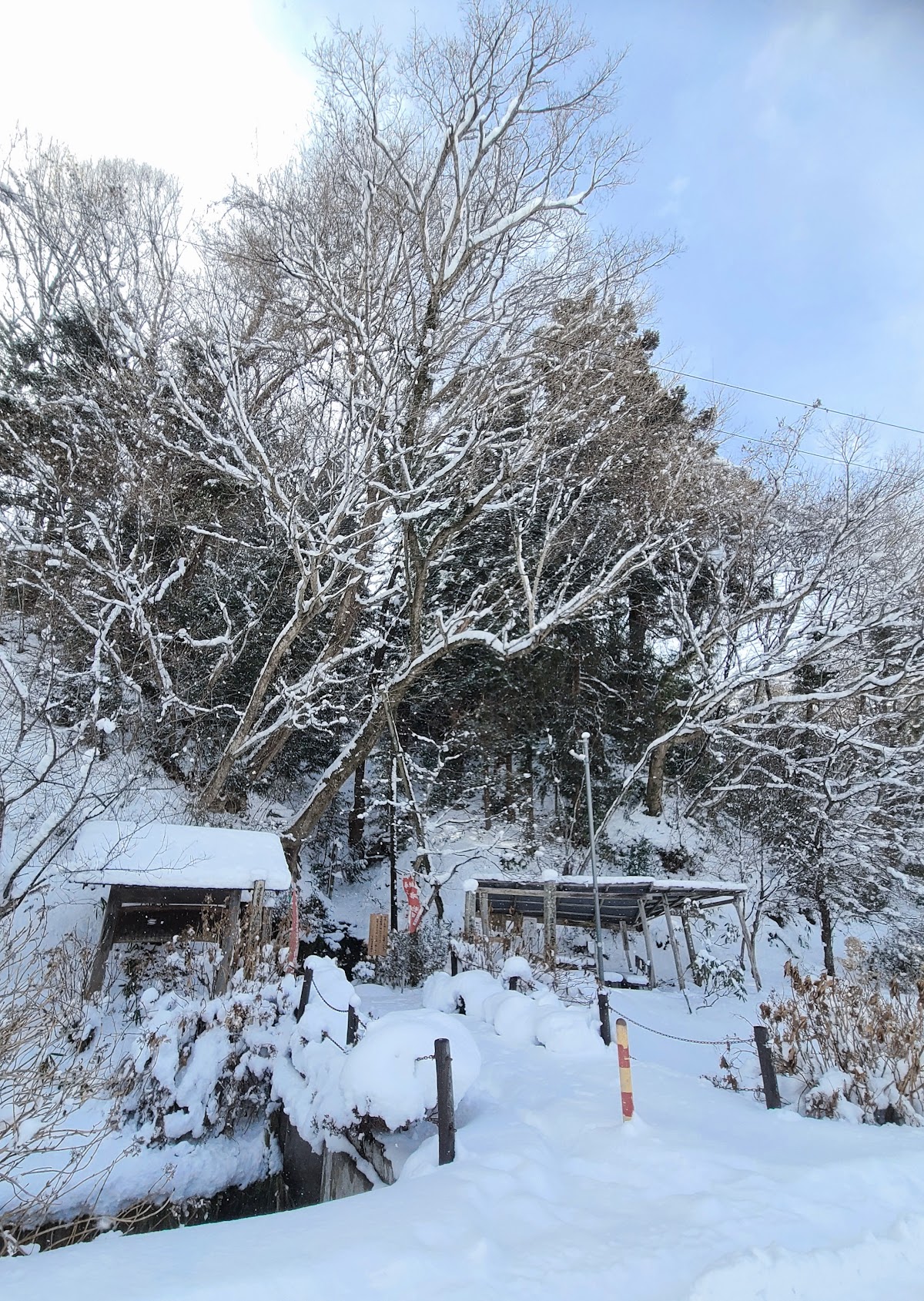
- Snowy marsh landscape is mystical
- Observation is difficult, but you can experience the charm of winter Aizu
Observation Tips
Tips for spotting Itoyо
- Carefully observe the water’s edge: Since Itoyо are small, careful observation is necessary
- Pay attention to aquatic plant areas: Nests are often constructed within aquatic plants
- Watch for movement: You may see glimmers of their silver bodies
- Visit during breeding season (spring): Red-colored males are easier to spot
Best times of day for observation
- Late morning through early afternoon: Sunlight illuminates the water surface, making observation easier
- On clear days: Water transparency is high and visibility is good
- On calm days: Water surface is calm, suitable for observation
Viewing Etiquette and Precautions
Hakusan Marsh is a precious natural environment and is designated as a Natural Monument. Please observe the following etiquette when viewing:
Rules to be strictly observed
- Do not enter the water: To avoid disturbing the habitation environment
- Do not catch fish: It is prohibited by law as they are Natural Monuments
- Do not feed them: To protect the natural ecosystem
- Take all trash with you: For environmental preservation
- Avoid making loud noises: To avoid stressing organisms
- Do not damage aquatic plants: To protect Itoyо spawning grounds
Regarding photography
- Photography is permitted, but avoid using flash
- Using water surface reflection can aid photography
- A telephoto or macro lens is helpful
- When using a tripod, be considerate of other visitors
Estimated Time Required
- For thorough observation: 30 minutes to 1 hour
- For brief viewing: 15-20 minutes
- Including surrounding exploration: 1-1.5 hours
Facilities and Attractions Around Hakusan Marsh
There are several spots worth visiting together with Hakusan Marsh in the surrounding area.
Hakusan Marsh Park
The area around Hakusan Marsh is developed as a park with walking paths and rest areas.
- Walking trail: A footpath around the marsh
- Benches: Rest areas
- Information boards: Explanations about Itoyо and Hakusan Marsh
Surrounding Natural Environment
The area around Hakusan Marsh is rich with remaining Aizu nature.
- Bird watching: Various birds visit depending on season
- Plant observation: Abundant wetland plants and aquatic plants
- Insect observation: Many water-edge insects such as dragonflies
Tourist Spots in Aizu-Wakamatsu City – Places Worth Visiting Together
When visiting Hakusan Marsh, we recommend also touring other tourist spots in Aizu-Wakamatsu City.
Major Tourist Attractions in Aizu-Wakamatsu City
Tsuruga Castle (Aizu-Wakamatsu Castle)
- Approximately 20 minutes by car from Hakusan Marsh
- A famous castle serving as the symbol of Aizu
- Learn about Boshin War history
- Excellent views from the castle tower
Iidasan
- A location associated with the White Tiger Unit
- Sazaedo (designated Important Cultural Property of Japan)
- Panoramic view of Aizu-Wakamatsu City
Nanoka Town Street
- A street with remaining retro townscape
- Cafes and shops in renovated storehouses
- Shopping for Aizu traditional craft souvenirs
Higashiyama Hot Spring
- The inner sanctum of Aizu-Wakamatsu
- Historic hot spring town
- Day-bathing available
Natural Spots in Aizu Area
Lake Inawashiro
- Approximately 30 minutes by car from Hakusan Marsh
- Japan’s fourth-largest lake
- Also called “Tenkyou Lake” – a beautiful lake
- Water activities available
Mount Bandai
- A symbolic mountain of Aizu
- Climbing and hiking courses available
- Hot springs and resort facilities at the base
Goshiki-numa Lake Group (Urabandai)
- Approximately 40 minutes by car from Hakusan Marsh
- Mystical marshes with emerald green and cobalt blue colors
- Recognized with one star in Michelin Green Guide
- Hiking available on nature exploration paths
Lake Hibara
- The largest lake in Urabandai
- Popular for wakasagi fishing and canoeing
- Campgrounds and pensions on the lakeshore
Cultural Heritage Spots in Aizu-Wakamatsu City
Aizu-Wakamatsu City has many cultural properties besides Hakusan Marsh.
Nationally Designated Cultural Properties
- Former Takizawa Honjin: Site of intense Boshin War battle
- Sazaedo (Entzutsu Sangassou): Unique double spiral structure
- Amidaji Temple: Burial place of Aizu clan lords Matsudaira family
Prefecturally Designated Cultural Properties
- Hakusan Marsh (Itoyо habitat): Natural Monument
- Numerous other buildings and art crafts
Aizu Food and Specialty Products
Enjoy delicious Aizu cuisine when visiting Hakusan Marsh.
Aizu Local Cuisine
- Aizu soba: Fragrant hand-made buckwheat noodles
- Kozuyu: Traditional Aizu soup
- Horse meat: One of Aizu’s famous foods
- Sauce katsudon: Local Aizu-Wakamatsu gourmet
- Wabako rice: Traditional bento style
Aizu Specialty Products and Souvenirs
- Aizu lacquerware: Traditional crafts
- Aizu cotton: Durable and beautiful fabric
- Akabe-ko: Aizu folk toy
- Sake: Aizu is famous as a sake-producing region
- Mamedooru: A signature confectionery of Fukushima
Event Information
Various events are held throughout the year in Aizu-Wakamatsu City.
Major Annual Events
Spring
- Tsuruga Castle Cherry Blossom Festival (April)
- Aizu Clan Lord Procession (May)
Summer
- Aizu Festival (September)
- Aizu Tajima Gion Festival (July)
Autumn
- Aizu Korori Sankanon Pilgrimage (year-round)
- Autumn foliage illumination (October-November)
Winter
- Aizu picture candle festival (February)
- Ouchi-juku snow festival (February)
Contact Information and Related Resources
Contact information for inquiries regarding Hakusan Marsh and Aizu-Wakamatsu City tourism.
Main Contact Information
Aizu-Wakamatsu City Culture Division
- Inquiries about cultural properties
- Telephone: 0242-39-1305
Aizu-Wakamatsu Tourism Bureau
- General tourism inquiries
- Telephone: 0242-23-8000
- Website: Provides tourism information about Aizu-Wakamatsu
Aizu Bus
- Inquiries about bus schedules and fares
- Telephone: 0242-22-5555
Related Websites
- Aizu-Wakamatsu City Official Tourism Site
- Fukushima Prefecture Tourism Information Site
- Aizu-Wakamatsu City Official Homepage
Model Courses for Hakusan Marsh Tourism
Here is a proposed one-day sightseeing model course including Hakusan Marsh in Aizu-Wakamatsu City.
Day Trip Course (by car)
Morning
- 9:00 Depart from Aizu-Wakamatsu Station
- 9:30 View Tsuruga Castle (1 hour)
- 10:45 Walk Nanoka Town Street and lunch (1.5 hours)
Afternoon
- 12:30 Travel to Hakusan Marsh (20 minutes)
- 13:00 View Hakusan Marsh (45 minutes)
- 14:00 Visit Iidasan (1 hour)
- 15:15 Day-bath at Higashiyama Hot Spring (1.5 hours)
- 17:00 Arrive at Aizu-Wakamatsu Station
One-night, Two-day Course
Day 1
- Aizu-Wakamatsu City sightseeing (Tsuruga Castle, Iidasan, etc.)
- Overnight stay at Higashiyama Hot Spring
Day 2
- View Hakusan Marsh
- Tour Urabandai area (Goshiki-numa, Lake Hibara, etc.)
Conclusion – The Charm of Hakusan Marsh
Hakusan Marsh in Aizu-Wakamatsu City, Fukushima Prefecture, is a precious natural spot designated as a prefectural Natural Monument as a habitat for the rare Itoyо fish. The sight of clear spring water and the rare creatures living there, which cannot be seen in urban areas, teaches visitors the importance of nature.
The main attractions of Hakusan Marsh can be summarized as follows:
- Observation of rare Itoyо: See rare fish up close that inhabit only limited locations within Japan
- Value as a Natural Monument: A precious natural heritage designated by Fukushima Prefecture
- Clear natural environment: Beautiful waterside scenery created by spring water
- Educational value: Learn about organism ecology and environmental conservation
- Easy accessibility: Close to Aizu-Wakamatsu city center and easily combined with other attractions
- Free admission: Anyone can visit freely
When visiting Aizu-Wakamatsu, in addition to historic tourist spots, be sure to visit natural treasures like Hakusan Marsh. Although it is a small marsh, it holds great natural mysteries and opportunities to learn about the importance of conservation.
During the spring breeding season, you may be able to observe male Itoyо changing to vivid red coloring and constructing intricate nests. The determined child-rearing of these small fish will surely move the hearts of visitors deeply.
Why not add a time of quiet nature observation at Hakusan Marsh to your journey enjoying Aizu’s rich nature, history, culture, and delicious food? It will surely become an unforgettable memory of Aizu.