Nishidaomote Spring Water (Fukushima Prefecture) Complete Guide|Access, Water Quality, and History Explained in Detail
Nishidaomote Spring Water (西田面湧水), clear spring water that gushes forth in Fukushima Prefecture, is a precious water resource that has been cherished by local residents for a long time. This article provides detailed explanations of the characteristics of Nishidaomote Spring Water, access methods, water quality, history, and surrounding tourist information—everything you should know before visiting.
What is Nishidaomote Spring Water?
Nishidaomote Spring Water is a natural spring water site that exists in Fukushima Prefecture, where groundwater bubbles up to the earth’s surface as a gift of nature. In some areas, it has a history of being used as a water source for daily life and agricultural irrigation, serving as an indispensable water source for local people.
Characteristics of the Spring Water
The greatest characteristic of Nishidaomote Spring Water lies in its water quality. Water that gushes forth from deep underground is filtered through geological layers over many years, making it clean with few impurities. It maintains relatively stable water temperature throughout the four seasons, feeling cold in summer and warm in winter, which are characteristics of spring water.
The volume of spring water fluctuates depending on the season and rainfall, but stable discharge is observed throughout the year. This stability is one of the reasons that local residents have continued to use it for many years.
Location and Access to Nishidaomote Spring Water
Basic Information
When visiting Nishidaomote Spring Water, it is important to confirm the accurate location beforehand. Since multiple spring water sites exist in Fukushima Prefecture, clarify your destination.
Location Information:
- Prefecture: Fukushima Prefecture
- Regional Characteristics: Spring water site surrounded by a natural, verdant environment
- Usage Status: Use as daily life and agricultural water by local residents
Access Methods
Access by Car:
Access by car is the most convenient. You can proceed by following local guide signs from major roads in Fukushima Prefecture. If using a car navigation system, it is recommended to use the latest map data.
The availability of parking varies depending on local conditions, so confirmation before visiting is necessary. Road widths around spring water sites may be narrow in some areas, so drive with sufficient caution.
Access by Public Transportation:
When using public transportation, access from the nearest station or bus stop is by foot or taxi. In some areas, public transportation may be limited, so it is important to confirm your transportation options beforehand.
Points to Note When Visiting
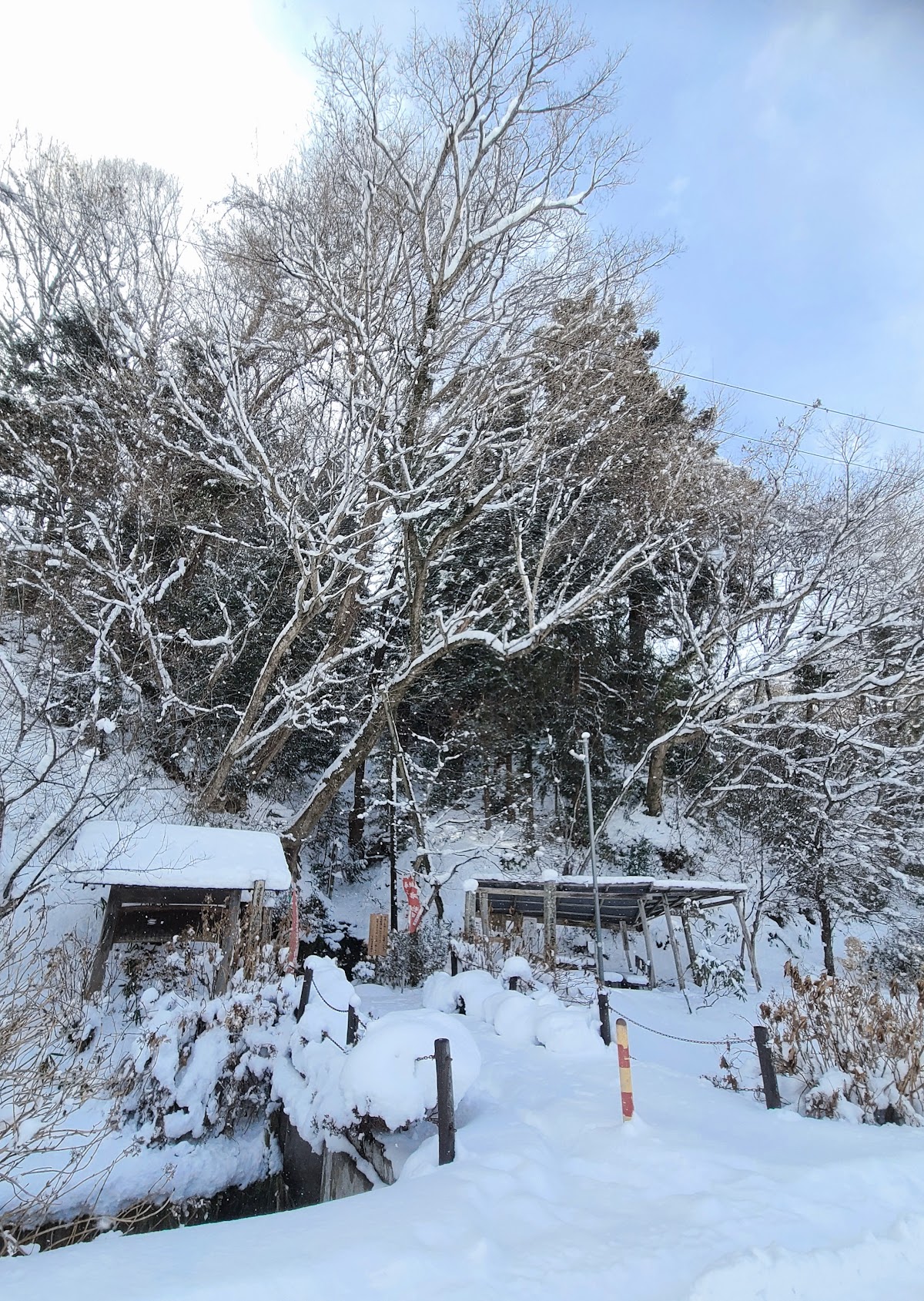
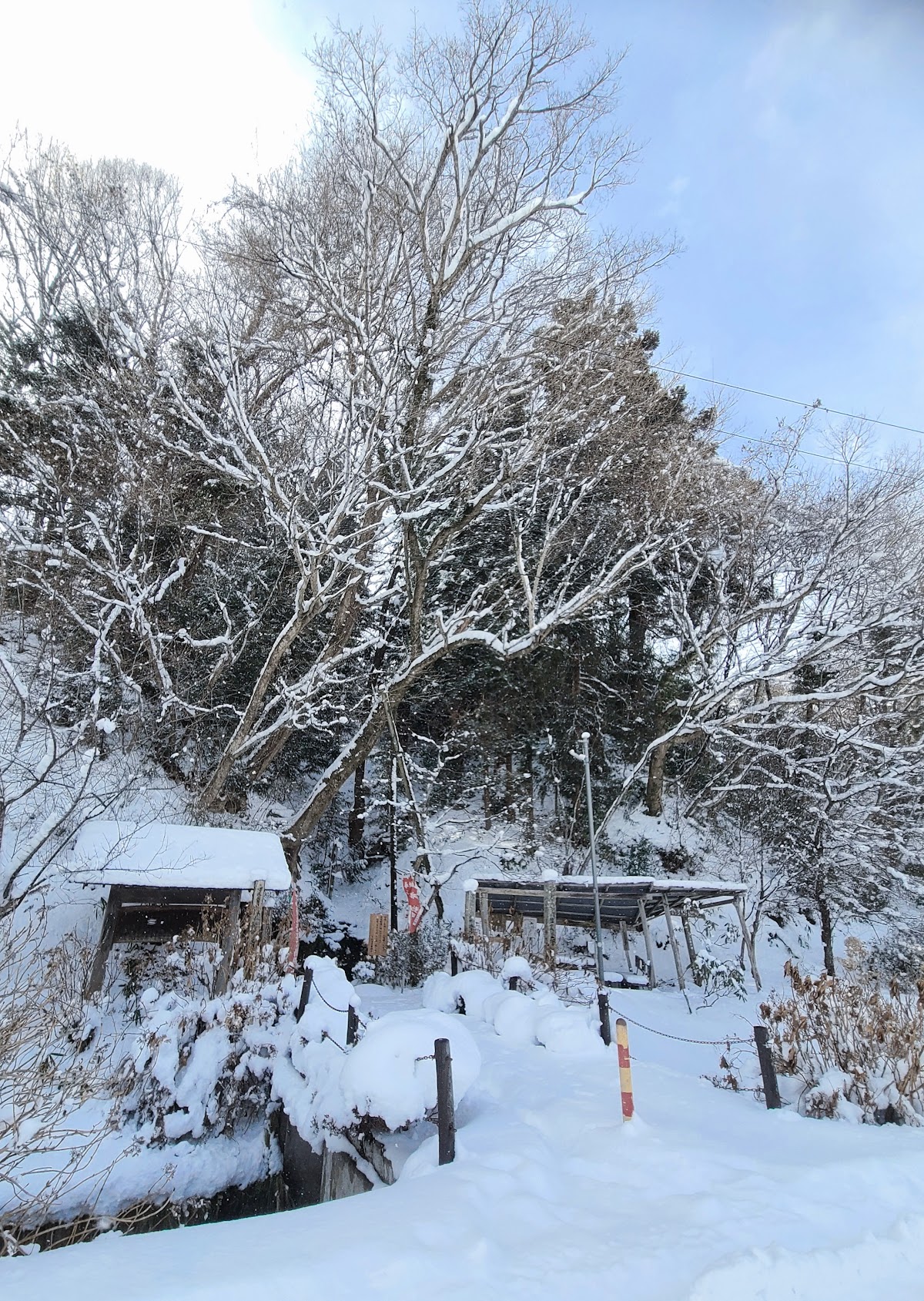
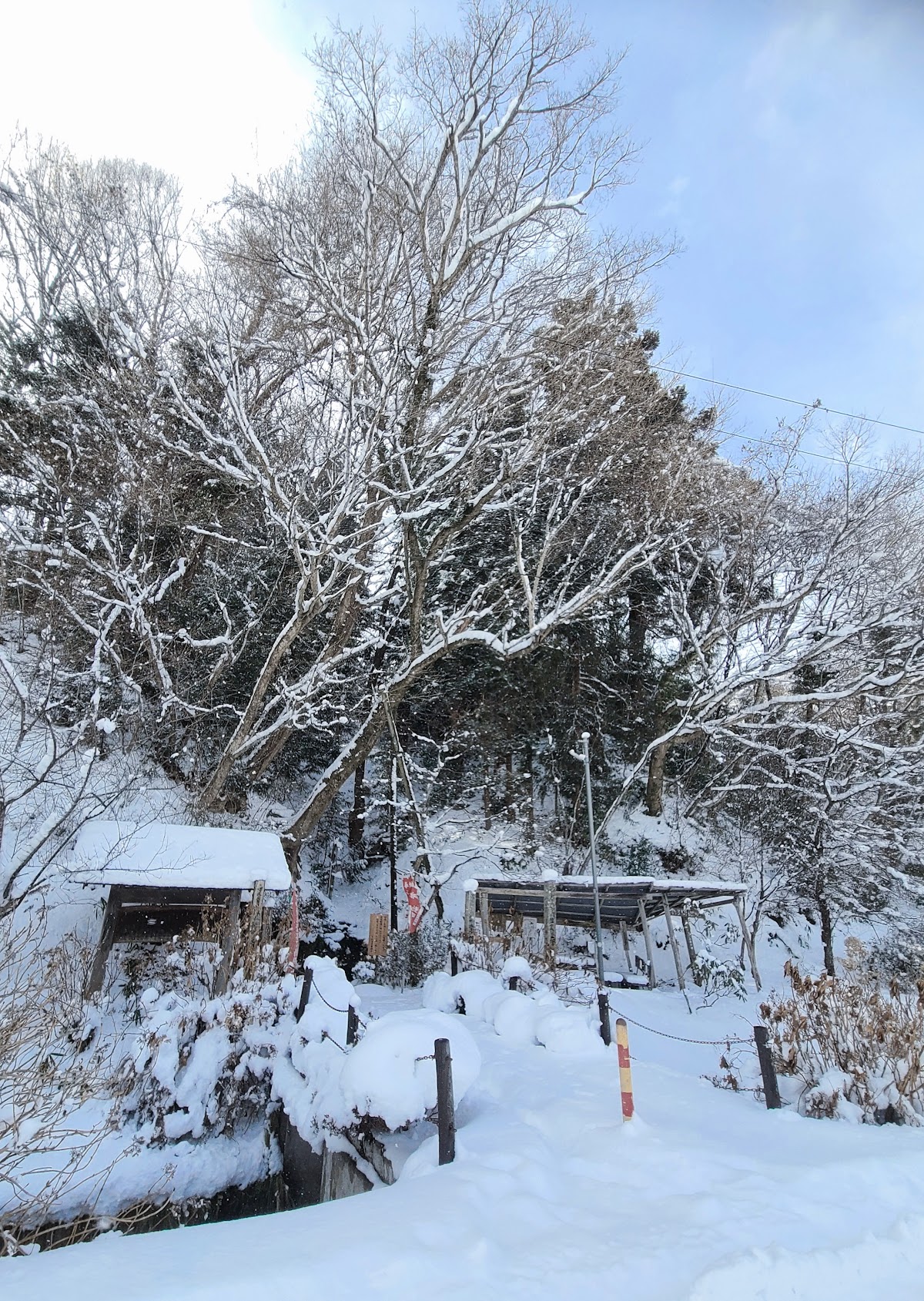
- Road Conditions by Season: During winter, there is a possibility of snow and freezing, making it necessary to equip studless tires and confirm road conditions.
- Clothing and Equipment: Since the ground around spring water sites may be wet, wear shoes with non-slip soles.
- Observance of Etiquette: Since this is a water source used by local residents, consideration for garbage disposal and water quality conservation is required.
Water Quality and Characteristics of Nishidaomote Spring Water
Characteristics of Water Quality
Water quality is determined by the geology of the area and the flow of groundwater. Nishidaomote Spring Water is believed to have the following characteristics.
General Water Quality Characteristics of Spring Water:
- Mineral Components: Minerals such as calcium and magnesium dissolve as the water passes through geological layers.
- pH Value: Most spring water shows neutral to weakly alkaline properties.
- Water Temperature: It is common for temperatures to remain stable at around 10-15 degrees Celsius throughout the year.
- Transparency: High transparency is maintained because the water is filtered underground.
Water Quality Testing and Safety
When drinking spring water, it is important to confirm whether regular water quality testing is being conducted. Even natural spring water can have fluctuating water quality due to changes in surrounding environment or rainfall.
Points to Note When Drinking:
- Confirmation of water quality test results
- Boiling before consumption is recommended
- Stop use if you notice any abnormalities in your health
- Not suitable for long-term storage; use as soon as possible
History and Cultural Background of Nishidaomote Spring Water
Spring Water and Its Relationship with the Region
Spring water in Fukushima Prefecture has been closely connected to the lives of local residents since ancient times. In agricultural regions, spring water served as a precious agricultural water source, supporting rice cultivation and field crop farming.
Water Worship and Spring Water
Throughout Japan, many spring water sites have shrines or stone monuments dedicated to water deities. This reflects the traditional Japanese belief system that reveres and gives thanks for water as the source of life. There may be traces of such beliefs remaining around Nishidaomote Spring Water.
The Value of Spring Water in Modern Times
In modern times, as tap water infrastructure has been developed, dependence on spring water has decreased, but the following values are being recognized anew.
- Educational Venue: As teaching material for learning natural water circulation
- Regional Resource: As a resource for tourism and regional development
- Ecosystem Maintenance: As a water source supporting biodiversity around spring water
- Emergency Water Source: Potential as an alternative water source in times of disaster
Points of Interest Around Nishidaomote Spring Water
Natural Environment
Spring water sites are often blessed with abundant natural environments, where you can enjoy the following natural attractions.
Flora:
Around spring water, plants that prefer humid environments grow. You can observe ferns, mosses, and aquatic plants, and enjoy seasonal changes throughout the year.
Fauna:
Water-dwelling organisms that prefer clean water may inhabit the area. You might observe salamanders, frogs, and aquatic insects.
Nearby Tourist Spots
Fukushima Prefecture has many tourist attractions, and when visiting Nishidaomote Spring Water, it is recommended to also visit nearby tourist spots.
Major Tourist Sites in Fukushima Prefecture:
- Aizu-Wakamatsu City: Tsuruga Castle, samurai residences, and other historic structures
- Lake Inawashiro: Japan’s fourth largest lake
- Goshiki-numa: A group of mystical-colored ponds
- Mount Bandai: A famous peak for mountain climbing and hiking
- Ouchi-juku: A settlement retaining traces of an Edo-period post town
Local Specialties
Fukushima Prefecture is known for abundant specialty products including agricultural products and local sake.
- Sake: Fukushima sake made with clear water is highly regarded nationwide
- Fruits: High-quality fruits such as peaches, pears, and apples
- Rice: Brand rice such as Aizu Koshihikari
- Vegetables: Cucumbers, tomatoes, asparagus, and other produce
Conservation and Sustainable Use of Spring Water
The Importance of Spring Water Conservation
Spring water is a precious natural resource that should be passed on to future generations. The following initiatives are important for conservation.
Conservation Activities:
- Protection of Water Sources: Conservation of forests and groundwater recharge areas that are the source of spring water
- Water Quality Monitoring: Understanding conditions through regular water quality testing
- Environmental Maintenance: Environmental beautification activities such as garbage cleanup and grass cutting
- Establishment of Usage Rules: Making rules to prevent excessive water extraction
What Visitors Can Do
Each visitor to a spring water site can contribute to its conservation.
Visitor Etiquette:
- Always take garbage home
- Do not contaminate the water source (avoid using detergents or chemicals)
- Do not collect plants
- Enjoy nature quietly without loud noise
- Do not enter areas beyond designated spaces
- Respect local rules
Cooperation with Local Communities
Spring water conservation is important work requiring cooperation among local residents, local government, and visitors. By participating in conservation activities conducted by the community, you can develop a deeper understanding of the value of spring water.
Other Famous Water Sites in Fukushima Prefecture
Besides Nishidaomote Spring Water, many other famous water sites exist in Fukushima Prefecture.
Main Spring Water and Famous Water Sites
- Bandai Western Foothills Spring Water Group: Selected for the Ministry of the Environment’s “Heisei Era’s Hundred Famous Springs”
- Onogawa Spring Water: Clear spring water in Kitashihara Village
- Tsugamine Spring Water: Famous water in the Aizu region
- Oishio Urabandag Onsen Spring Water: Spring water near a hot spring area
“Famous Water Tours” that visit these water sites are another way to enjoy Fukushima tourism.
Scientific Aspects of Spring Water
The Mechanism of Spring Water
Spring water is a phenomenon where precipitation infiltrates the ground, becomes groundwater, and wells up to the surface.
Spring Water Formation Process:
- Precipitation Infiltration: Rain and snow seep into the ground
- Groundwater Formation: Impurities are filtered as water passes through geological layers
- Aquifer Movement: Water moves through underground layers containing water
- Spring Discharge: Water emerges at the surface due to geological structure
Factors Determining Water Quality
Water quality of spring water is determined by the following factors.
- Geology: Types of layers through which water passes (volcanic rock, sedimentary rock, etc.)
- Residence Time: The longer water remains underground, the richer in minerals
- Basin Environment: Influence of surrounding environments such as forests, farmland, and urban areas
- Climate: Impact of precipitation and temperature
Best Times to Visit Nishidaomote Spring Water
Characteristics by Season
Spring (March to May):
It is the snowmelt season when spring water volume may increase. Surrounding plants sprout, and new greenery is beautiful during this season.
Summer (June to August):
A season when cold spring water feels pleasant. On hot days, more people visit seeking coolness. However, water quality may fluctuate after rainfall, so caution is necessary.
Autumn (September to November):
A season of beautiful autumn foliage, with the scenery around spring water also turning colorful. As temperatures drop, you can feel the warmth of the spring water during this period.
Winter (December to February):
In snowy areas, access may become difficult. Spring water is unlikely to freeze, so it continues to flow even in winter, but ensuring safety of surrounding areas is important.
Recommended Visiting Times
Early morning has fewer people and allows you to enjoy the spring water quietly. Additionally, during times when morning sunlight streams in, the water surface sparkles and creates a beautiful sight.
Methods of Using Spring Water
Use as Daily Life Water
Local residents have used spring water for the following purposes.
- Drinking Water: When safety is confirmed through water quality testing
- Cooking Water: Cooking rice, washing vegetables, etc.
- Laundry: Once used as a laundry site
- Cooling: Cooling vegetables and fruits in summer
Use as Agricultural Water
Spring water plays an important role as agricultural water.
- Water Supply to Rice Paddies: Supply of water necessary for rice cultivation
- Irrigation for Field Crops: Use in vegetable cultivation
- Aquaculture: Fish farming using clean water
Utilization as a Tourism Resource
In recent years, spring water has also received attention as a tourism resource.
- Ecotourism: As part of nature experience programs
- Famous Water Tours: Tours visiting multiple spring water sites
- Regional Branding: Product development using spring water
Spring Water and Health
Value as Mineral Water
Minerals contained in spring water are believed to help maintain health.
Major Minerals and Their Effects:
- Calcium: Maintenance of bone and tooth health
- Magnesium: Adjustment of muscle and nerve function
- Potassium: Blood pressure regulation
- Sodium: Maintenance of body fluid balance
Points to Note When Drinking
When drinking natural spring water, the following points require attention.
- Confirmation of Water Quality Testing: Confirmation of whether drinking is safe
- Boiling Recommended: To increase safety
- Health Management: Pay attention to health changes after drinking
- Storage Method: Store in a clean container for short periods
Photography Guide for Nishidaomote Spring Water
Photography Tips
Here are some tips for capturing the beauty of spring water in photographs.
Composition Ideas:
- Moment of Gushing: Close-up of water gushing forth
- Surrounding Nature: Wide-angle photography including spring water and surrounding plants and scenery
- Water Surface Reflection: Sky and trees reflecting on the water surface
- Seasonal Changes: Photographing the same location across different seasons
Precautions When Photographing
- When using a tripod, be considerate so as not to inconvenience other visitors
- Avoid excessive use of flash as it may damage the natural atmosphere
- Do not enter off-limits areas to preserve the spring water
- Show consideration for the privacy of local residents
Conclusion: Experience the Charm of Nishidaomote Spring Water
Nishidaomote Spring Water is a precious water resource nurtured by Fukushima Prefecture’s abundant nature. It possesses many attractions including clear water quality, the region’s history and culture, and the beautiful natural environment surrounding it.
When visiting, keep the following points in mind.
- Prior Preparation: Confirm access methods and precautions for visiting
- Observance of Etiquette: Follow local rules and cooperate in environmental conservation
- Safety Assurance: Pay attention to the ground and weather to enjoy safely
- Community Interaction: Develop a deeper understanding of the value of spring water through interaction with local people
Visiting Nishidaomote Spring Water will be an opportunity to appreciate the wonders of nature’s blessings and rediscover the importance of water. As part of a trip to experience the abundant nature and culture of Fukushima Prefecture, please visit Nishidaomote Spring Water.
The sound of clear water, surrounding greenery, and the warmth of the local people will surely become unforgettable memories. Let us cooperate in spring water conservation and pass this precious natural resource to future generations.