Kamei No Mizu (Akita Prefecture) Complete Guide | Thorough Explanation of History, Water Quality, Access, and Water Collection Methods
Akita Prefecture is home to numerous celebrated waters, but among them, “Kamei no Mizu,” which has been cherished by local residents for a long time, is a precious spring water with history and tradition. This article provides a comprehensive explanation of Kamei no Mizu, from its historical background and water quality characteristics to access methods and etiquette during water collection.
What is Kamei no Mizu?
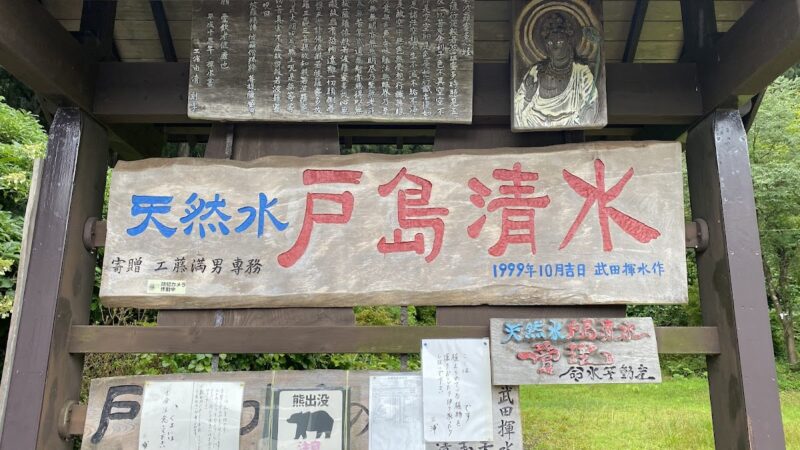
Kamei no Mizu is a natural spring water in Akita Prefecture that has been used as a domestic water source for local residents since ancient times, making it a historically significant water source. With its clear, pure water quality and stable, unfailing water volume, it has become a celebrated water spot visited not only by local residents but also by many people from distant areas to collect water.
Origin of the Name
There are several theories about the origin of the name “Kamei,” but one theory suggests that the terrain around the spring resembled a tortoise shell, or that it was named after the tortoise, which symbolizes longevity. Since ancient times in Japan, places where high-quality water springs forth have been revered as sacred, and auspicious names have often been given to them. It is highly likely that Kamei no Mizu was named within this tradition.
History and Cultural Background of Kamei no Mizu
Usage Since the Edo Period
The history of Kamei no Mizu is ancient, and according to historical records, it was already recognized as an important water source for the region during the Edo period. In the villages of that time, it was used not only as drinking water but also for rinsing rice, washing vegetables, and even dyeing—essentially for all aspects of daily life.
Center of Community
The water collection site was not merely a water source but also served as a social gathering place for local residents. Especially women gathered there, exchanging daily events and information, making it an important community space. This culture partially remains today, and one can still see locals coming to collect water in the mornings and evenings.
Connection to Faith
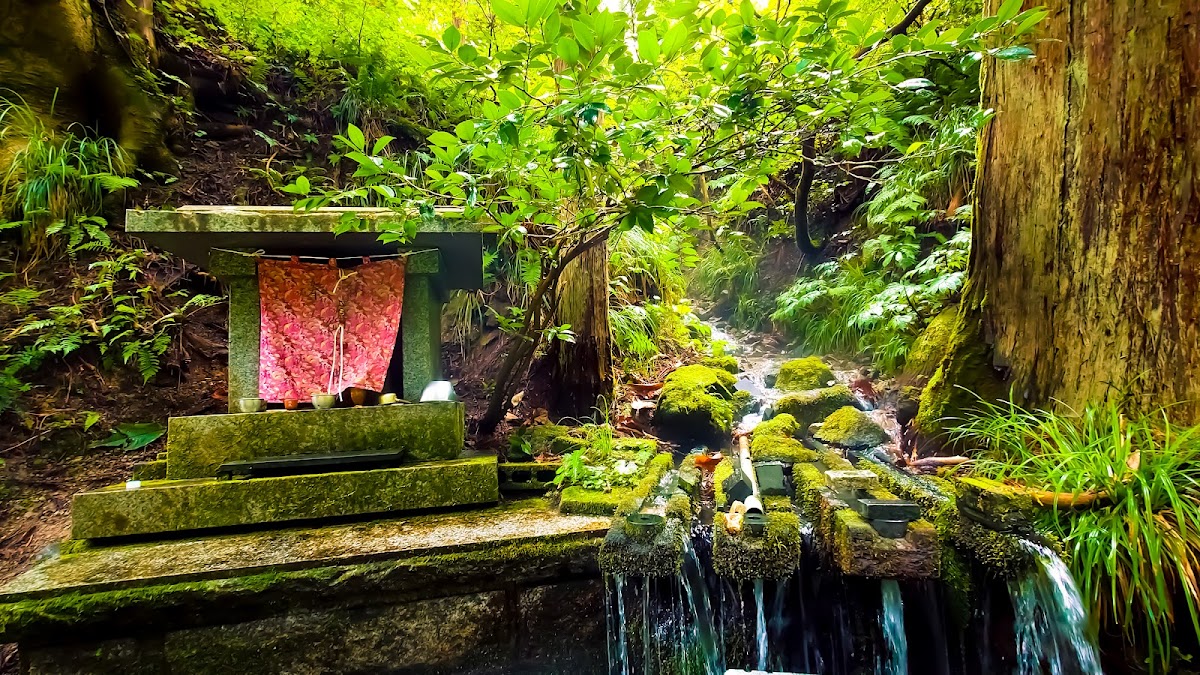
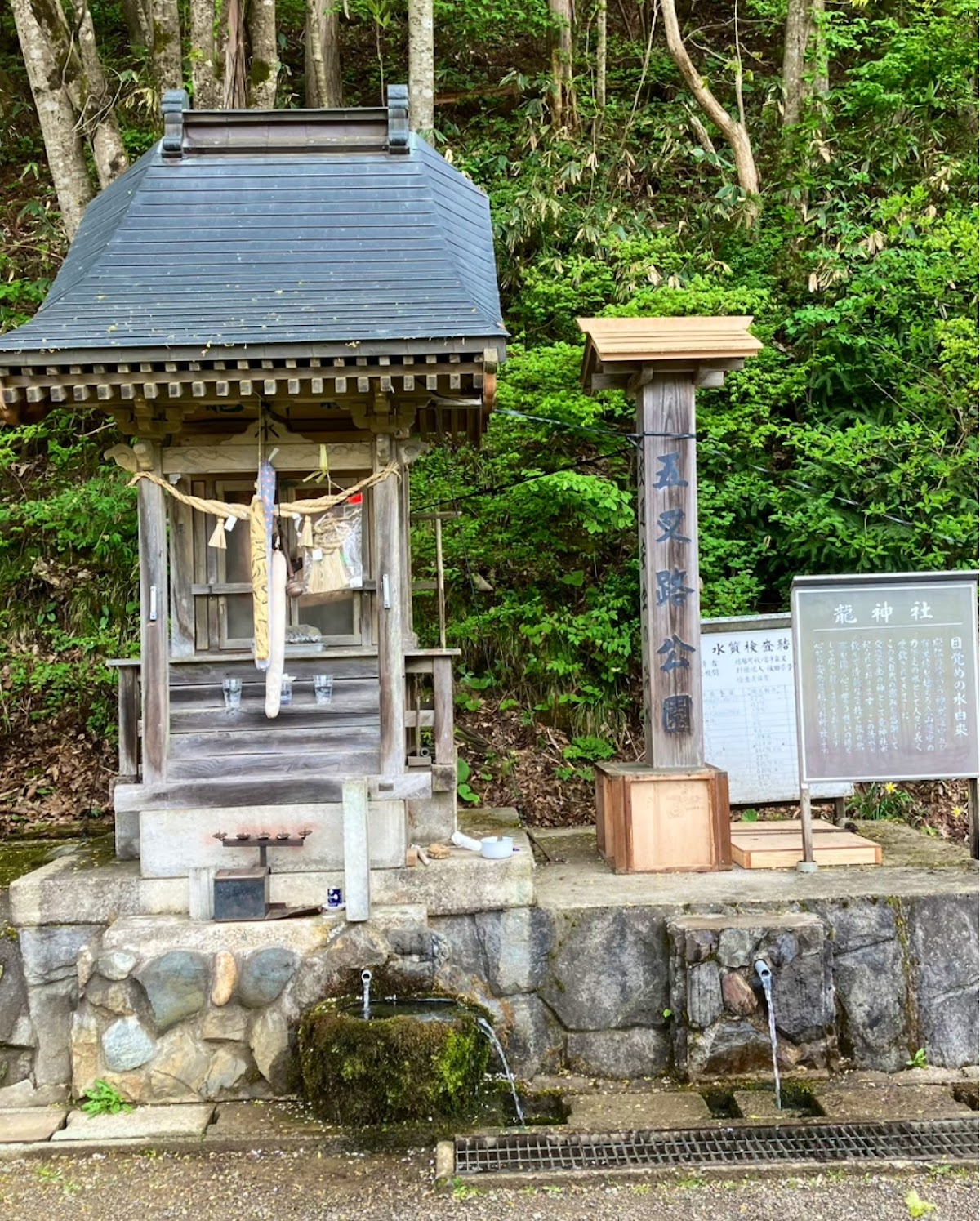
Like many spring waters in Akita Prefecture, Kamei no Mizu has been deeply connected to local beliefs. Small shrines and stone monuments are often found near the water source, and the tradition of giving thanks for the blessing of water and praying for water source conservation has been passed down.
Water Quality Characteristics of Kamei no Mizu
Characteristics of Water Quality
Kamei no Mizu is natural water that springs from deep underground and has the following characteristics:
- Water Temperature: Stable at around 10-15 degrees Celsius throughout the year
- Hardness: Classified as soft water with a soft mouthfeel
- pH Value: Range from weakly alkaline to neutral
- Minerals: Contains appropriate amounts of calcium, magnesium, and other minerals
Taste and Applications
It is characterized by a mellow taste unique to soft water and is suitable for the following uses:
- Drinking Water: Refreshing without any unpleasant aftertaste
- Tea and Coffee: Brings out the flavor of the ingredients
- Cooking Rice: Results in fluffy, well-cooked rice
- Cooking: Does not interfere with the taste of broth
- Whisky Highballs: Does not diminish the aroma
Water Quality Testing and Safety
Regular water quality testing is conducted to maintain water quality suitable for drinking. However, as it is natural water, water quality may temporarily change depending on weather conditions, such as after heavy rain. When collecting water, it is recommended to check the water’s clarity and odor, and if any abnormality is detected, boil it before use.
Geological Background of Kamei no Mizu
Spring Water Mechanism
The mechanism of Kamei no Mizu’s spring water is closely related to Akita Prefecture’s geological structure. Rainwater and snowmelt infiltrate the ground and are naturally filtered as they pass through highly permeable geological layers. Subsequently, groundwater blocked by impermeable layers springs to the surface, which is the basic mechanism of spring water.
Geological Characteristics of Akita Prefecture
Located on the Sea of Japan side, Akita Prefecture has abundant rainfall and mountainous terrain, resulting in numerous high-quality spring waters. Volcanic and sedimentary rock layers are complexly layered, forming a natural filtration system. Kamei no Mizu is one such spring water benefiting from these geological advantages.
Stability of Water Volume
One of the major characteristics of Kamei no Mizu is that it maintains a stable water volume regardless of season. This indicates that it has a large recharge area (an area where water infiltrates underground) and is supported by abundant groundwater veins.
Access to Kamei no Mizu
Location Information
Since multiple “Kamei no Mizu” springs may exist depending on the region, it is recommended to confirm with the local tourism association or municipal government before visiting.
Transportation Access
Access by Car:
- Use general roads from the nearest interchange
- GPS navigation systems may not display it accurately, so confirm detailed maps in advance
- Parking spaces may be limited, so use the spirit of yielding to others
Access by Public Transportation:
- Use bus or taxi from the nearest station
- Many regions have infrequent bus service, so check the schedule in advance
- If accessing on foot, confirm the distance and required time thoroughly
Best Seasons to Visit
Kamei no Mizu can be visited year-round, but each season offers different attractions:
- Spring (April-June): Beautiful fresh greenery and abundant water from snowmelt
- Summer (July-September): Cool water is refreshing, and perfect for escaping the heat
- Autumn (October-November): Beautiful contrast between fall foliage and clear streams
- Winter (December-March): Water collection amid snowy scenery has charm, but beware of frozen roads
During winter, snow accumulation and road icing may make access difficult. Proper preparation such as winter tires and carrying chains is necessary.
Water Collection Methods and Etiquette
Basic Water Collection Steps
- Container Preparation: Prepare a clean water jug or plastic bottle
- Container Rinsing: Rinse the container with spring water before collection
- Water Collection: Use a provided ladle or faucet rather than placing the container directly in the water source
- Secure the Lid: Close the lid firmly before taking it away
Etiquette and Precautions During Water Collection
Etiquette to Observe:
- Respect the order and consider other users
- Avoid prolonged occupation and refrain from large-scale water collection
- Do not dirty the areas around the water source
- Take all trash home with you
- Obtain permission if on private land
- Cooperate with donation boxes if there are any for water source conservation
Prohibited Activities:
- Placing containers directly in the water source
- Washing containers with detergent
- Allowing pets near the water source
- Smoking around the water source
- Loud conversation or noise
Storage Methods for Collected Water
Tips for keeping collected water fresh and safe:
- Storage Temperature: Store in a cool, dark place away from direct sunlight
- Storage Duration: Use within 2-3 days when refrigerated
- Container Cleanliness: Wash containers thoroughly after use and dry them
- Boiling Recommended: Especially in summer, boiling before use is safer
Attractions Around Kamei no Mizu
Natural Environment
The area surrounding Kamei no Mizu features a rich natural environment. One can observe flora unique to spring water areas, and it serves as a habitat for organisms that favor clear streams.
Observable Plants:
- Wildflowers that prefer wetlands
- Moss and fern species
- Seasonal wildflowers
Inhabiting Organisms:
- Freshwater crustaceans like freshwater crabs
- Aquatic insects such as dragonflies and fireflies
- Waterfowl (kingfishers, wagtails, etc.)
Nearby Tourist Attractions
Visiting nearby tourist attractions when visiting Kamei no Mizu makes for a more enriching trip:
- Shrines and Temples: Feel the region’s history at local sanctuaries
- Hot Spring Facilities: Ease travel fatigue with Akita’s famous hot springs
- Road Stations: Purchase local specialties and fresh agricultural products
- Regional Cuisine Restaurants: Experience traditional Akita dishes
Water Culture of Akita Prefecture
Akita’s Celebrated Waters
Akita Prefecture has multiple spring waters selected for the Ministry of the Environment’s “100 Selected Springs.” Kamei no Mizu is one such spring water symbolizing Akita’s abundant water culture.
Water and Akita’s Food Culture
Akita’s food culture is deeply connected to high-quality water:
- Sake: Akita is among Japan’s premier sake-producing regions, where celebrated water produces excellent sake
- Rice: High-quality rice production like “Akitakomachi” requires pure water
- Kiritanpo: Even Akita’s regional cuisine depends on delicious water
Water Source Conservation Activities and Community Efforts
Importance of Conservation
To pass down natural spring waters like Kamei no Mizu to future generations, continuous conservation efforts are essential. Water source forests protection, water quality monitoring, and cleaning activities are conducted by residents and local government.
Role of Local Residents
Local residents play an important role as guardians of the water source:
- Regular cleaning activities
- Daily monitoring of water quality
- Educating visitors about proper etiquette
- Preserving traditional water usage methods
What Visitors Can Do
Visitors can also contribute to water source conservation:
- Respect etiquette during water collection
- Donate or participate in conservation activities
- Spread awareness of the water source’s value
- Contribute to the local economy (local consumption)
Recipes Using Kamei no Mizu
How to Brew Tea
Kamei no Mizu, being soft water, is ideal for brewing Japanese tea:
- Boil water and cool to the appropriate temperature (green tea: 70-80°C, gyokuro: 50-60°C)
- Place tea leaves in a teapot
- Pour water at the appropriate temperature and extract for the proper duration
- Pour out every last drop
Using for Cooking Rice
Rice cooked with Kamei no Mizu brings out the natural sweetness of the grain:
- Use Kamei no Mizu when rinsing the rice as well
- Use slightly less water than usual
- Steam for about 10 minutes after cooking
Application to Broth Making
The soft water characteristics of Kamei no Mizu shine when making broth, the foundation of Japanese cuisine:
- Kombu Broth: Umami components extract easily
- Bonito Broth: Clear taste with minimal off-flavors
- Dried Fish Broth: Fish flavor stands out
Scientific Knowledge Regarding Kamei no Mizu
Health Effects of Soft Water
Soft water is said to suit Japanese physiology and has the following characteristics:
- Digestion and Absorption: Less burden on the digestive system
- Cooking Suitability: Ideal for subtle Japanese seasonings
- Gentleness on Skin: Suitable for face washing and bathing
Mineral Balance
Minerals in natural water play an important role in maintaining health:
- Calcium: Maintains bone and tooth health
- Magnesium: Supports enzyme function
- Potassium: Regulates water balance in the body
Four Seasons of Kamei no Mizu
Spring Kamei no Mizu
During the snow-melting season, water volume is at its most abundant. Plants around the area begin to sprout, and one can feel the breath of life. Water temperature rises slightly from winter but remains cold and refreshing.
Summer Kamei no Mizu
Even as temperatures rise, spring water temperature is maintained at low levels, serving like a natural cooler. The experience of collecting cold water in the shade is delightful during summer heat.
Autumn Kamei no Mizu
During fall foliage season, the contrast between colored leaves and clear water creates a beautiful landscape. The air becomes crisp, and water transparency appears even greater.
Winter Kamei no Mizu
Even covered in snow during winter, spring water continues to flow without freezing. The sight of steam rising is fantastical and has a unique winter charm. However, access requires careful attention.
Toward Sustainable Water Use
Environmental Change and Spring Water
In recent years, declining spring water volumes and water quality changes have been reported nationwide due to climate change and land use changes. To protect valuable water sources like Kamei no Mizu, environmental conservation awareness is essential.
Passing Down to the Future
To pass regional treasures like Kamei no Mizu to the next generation:
- Education: Environmental education for children
- Documentation: Preserving records of the water source’s history and culture
- Cooperation: Collaborative efforts among government, residents, and visitors
- Information Sharing: Activities to communicate the water source’s value
Conclusion
Kamei no Mizu is a precious spring water nurtured by Akita Prefecture’s abundant nature and has supported local people’s lives throughout a long history. With its clear, pure water quality, stable water volume, and cultural value rooted in the community, this celebrated water continues to bestow benefits on many people today.
When visiting, it is important to confirm access methods in advance and respect water collection etiquette. Additionally, by understanding the importance of water source conservation and cooperating with conservation activities to the extent possible, this valuable natural resource can be passed on to the future.
If you have the opportunity to visit Akita Prefecture, be sure to visit Kamei no Mizu and taste its clear water. It will be a memorable experience where you can feel the blessing of nature and the history of the region.
—
※The information in this article is current as of the time of writing. Please confirm the latest information with local government or tourism associations before visiting. Additionally, since conditions may change depending on weather and season, please take safety precautions in your actions.